written by ed; photos by jayne (photos are from an iPhone and some from jayne’s dslr!)
Jayne and I couldn’t help but have a déjà vu moment after we departed Jomo Kenyatta Airport in Nairobi at 11pm and headed to our accommodations. We looked at one another and said “India”, as it reminded us of our arrival in New Delhi 10 years prior. There’s a massive amount of construction going on at the airport for miles and, unfortunately, I was sitting in the passenger seat of the right-side drive car/taxi. I wanted to just close my eyes and pray (which is what I had been told to do when riding as a passenger in India) that we would arrive safely at our destination, as the roads were ridiculously bad, filled with potholes, the lights of our car not very bright, the windshield not very clear, and to top it off there was a driver in front of us who was either drunk or half-asleep as he swayed in and out of his lane (actually, on many roads the concept of a ”lane” really doesn’t exist). Similar to India, it’s organized chaos. Unlike India though, there’s no blaring of horns. With somewhat of a raised heart rate and a feeling of exhaustion from the long day of travel, we arrived safely at our home for a few nights – the Wildebeest Eco-Camp – just on the outskirts of Nairobi in the district of Karen.
We had a day off before we were to meet up with the rest of the group so we decided to spend part of it visiting the African home of Karen Blixen. You might recall from our post in Denmark, the name, Karen Blixen of Out of Africa fame. Well, she also resided in Africa, and unbeknownst to us, her African home was a short distance from where we were staying. Because of the contributions she made to her African community, the area is now named Karen. As a result of the visits we made to her two homes (Denmark and Africa), we are now big Karen Blixen fans – a pretty amazing woman!
Twenty-six years ago, on what I thought would be just another blind date (as I had been single for about 15 years) I met the love of my life. Many of you know the story of that fateful date, so I won’t share the details here, but there was a playful nudge that Jayne gave me that evening that made me realize this woman had a bit of spunk. Subsequent dates revealed that she was also someone with a joie de vivre, and a wanderlust spirit. I sometimes kiddingly tell Jayne how lucky she is to have found me, but really I’m the lucky one. Twenty-two years on in our marriage, Jayne and I have spent many anniversaries in exotic places and are so grateful for our health and a shared sense of adventure.
Why you ask do I bring this up now? Well, August 29 was our anniversary and we celebrated by having dinner at what many consider to be the best restaurant in Nairobi – The Talisman. The food and ambiance of the restaurant were great and its menu was a precursor to the food we experienced during our time in Kenya – dishes with Indian and Southwest Asian influence.
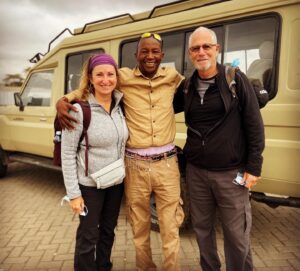
The following day, we met up with the four people with whom we would share the next 10 days. All four were from Indianapolis, the headquarters for The Village Experience which organized our trip. Not sure if anyone else has experienced this, but traveling with other people, even those you know, can be fraught with unpleasant outcomes. In this instance though, I can honestly say (especially since they are reading this) that we all bonded as a group. During the trip, we were able to kid one another, console one another, and, by the end, joyful tears were shed. There was plenty of laughter and the sharing of stories of each of our travels. The positive energy of the group, I’m convinced helped us have some incredible moments, especially during the four days of the safari. Even our experienced driver, Danson, was sometimes surprised by a day’s events.
An experienced driver is, as one might imagine, an absolute must for a safari. When that experience is matched with superior knowledge of birds and animals, a sense of humor, and the ability to sense the needs of a group, with a kind heart and soul, well, you have Danson. From the moment we started our journey when Danson led us in call and response to the song Welcome to Kenya, and when we learned the term that epitomizes the Kenyan spirit – Hakuna Matata (No Worries) – we all could sense he was someone special. Over the course of our trip, he shared his own personal story, his feminist views, especially as it related to the patriarchy of the Maasai tribe, and his hopes for his two beloved daughters. This sharing truly enhanced our experience.
Our ultimate destination for the safari was the Maasai Mara, also known as the Mara. Before we would arrive in the Mara we would have to make a few stops along the way. This included Lake Naivasha, where Danson suggested we take a boat ride to see some hippos and different birds. It was a needed stop because 1) the ride was extremely bumpy (Danson claimed it was simply an African massage) in our Land Cruiser and our bodies needed a respite and 2) it was a soft introduction for what awaited us en masse in the Mara. One of the highlights of that boat ride was when the skipper whistled and a fish eagle beautifully soared from a few hundred yards away to catch a piece of fish that he had tossed into the lake. Pretty cool….even if that trick had been done who knows how many times before.
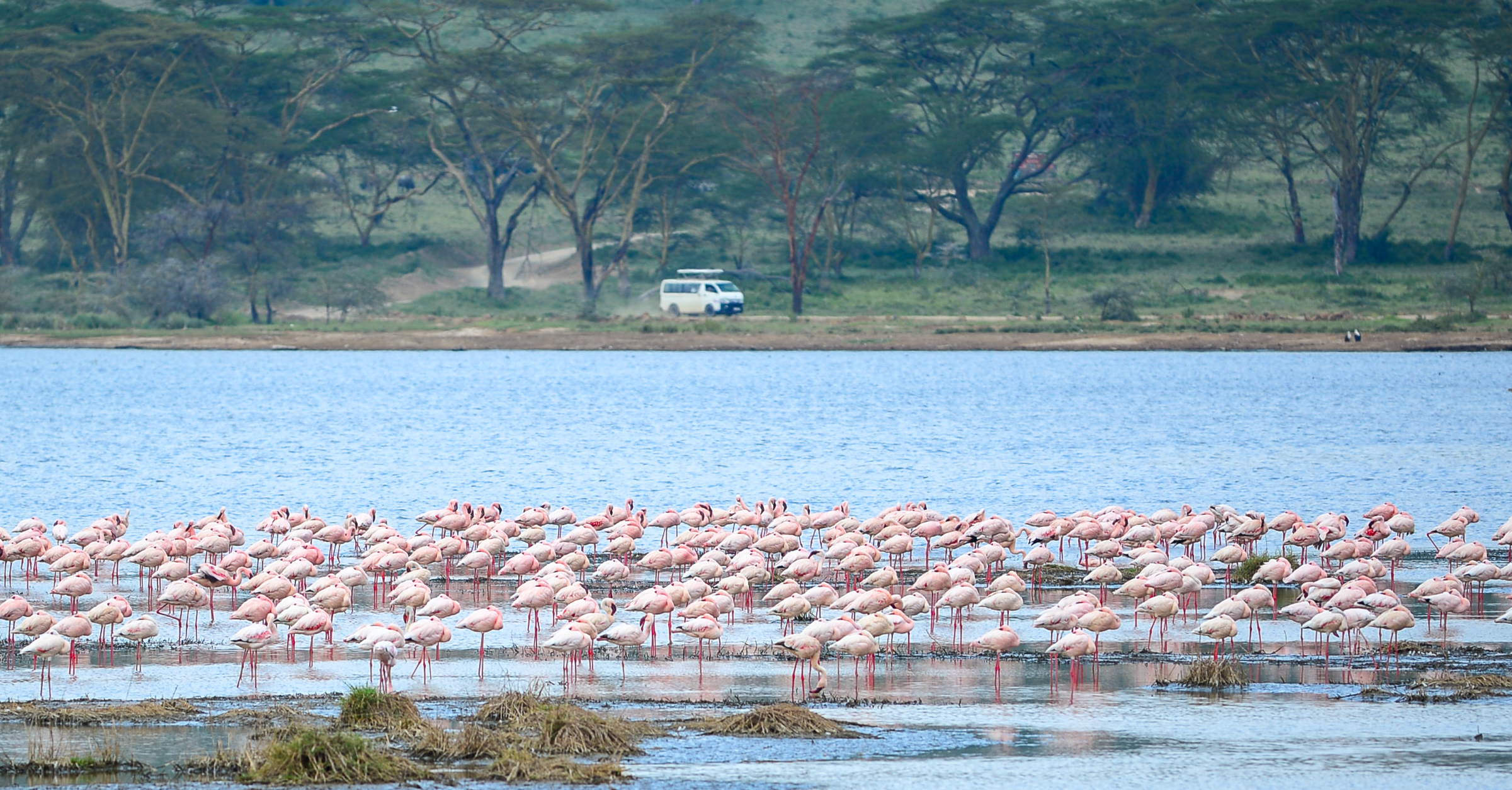
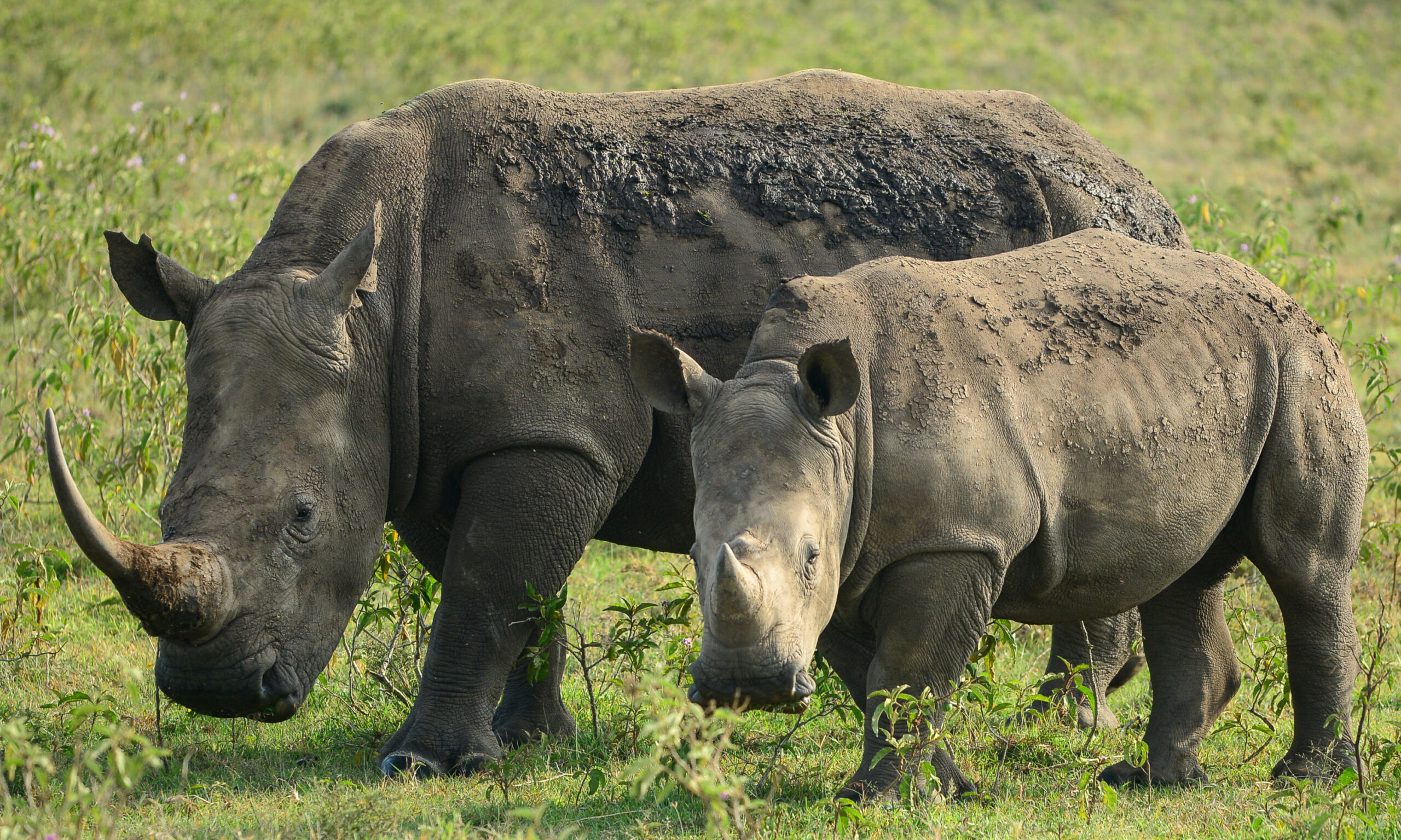
Excited after seeing the wildlife of Lake Naivasha, we continued on our bumpy ride (we were in the Land Cruiser for about 5 hours that day) to the Lake Nakuru Lodge where we were greeted by baboons and some impala just outside our cabin. The next day we visited Lake Nakuru National Park, which is best known for its thousands, sometimes millions of flamingos nesting along the shores. And yes, we did see many, many pink flamingos! We also saw 14 rhinos! I mention the number as sometimes people go on safari and may only see one or two.
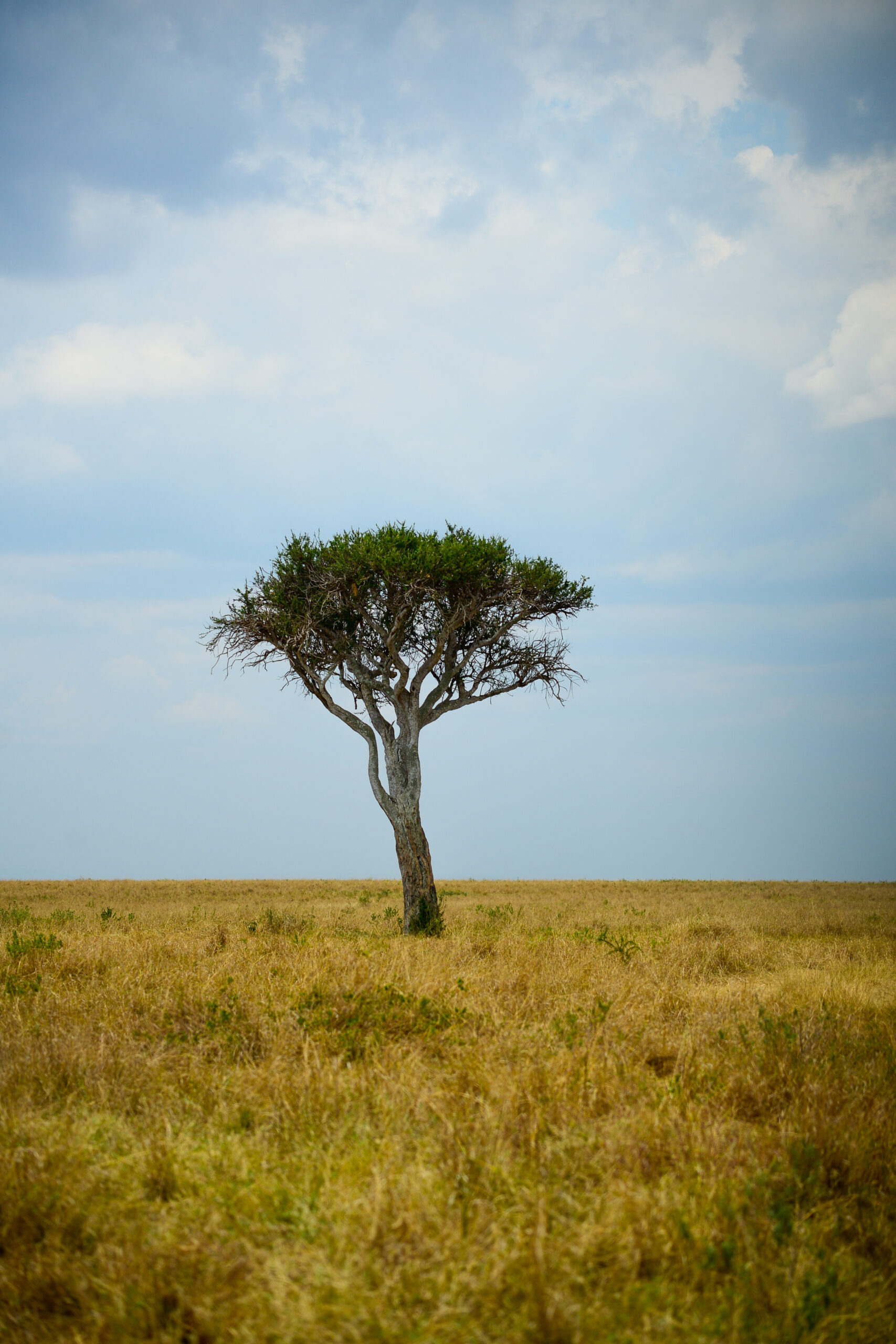
Another four-hour drive and we finally come to the Maasai Mara (or just Mara) and our accommodations at Zebra Plains Eco-Lodge. The Maasai Mara occupies 580 square miles and is one of the most famous and important wildlife conservation and wilderness areas in Africa and is world-renowned for the Great Migration (which our trip was entitled). The Mara represents the iconic image one has of the African yellowish savannah – vast grasslands dotted with lone Mara trees – beautiful!
The Great Wildebeest Migration, the world’s largest migration of wildlife, with more than 2 million animals traveling from Serengeti National Park in Tanzania to the Maasai Mara National Reserve, is recognized as one of the Seven National Wonders of Africa and one of the 10 Natural Wonders of the World and we got to see it in action! It’s quite a fascinating thing to behold as the wildebeests must navigate the crossing of the Mara river very carefully, lest they become a croc’s meal. As we watched the crossing, some zebras were leading the way while a hippopotamus was standing guard in front of a croc acting as a protector for the wildebeest (you won’t see that in the video below, but it’s still pretty cool). Wildlife teamwork in action!
(video credit to Jordyn, one of our fellow travelers)
Often you hear that one of the “goals” safari travelers have, is to see the Big Five (not the sporting goods store). The term “Big Five” originally referred to the difficulty in hunting the lion, leopard, rhino, elephant, and African Cape buffalo. All five were considered either dangerous or elusive or both and so trophy hunters considered this a feat. Today, however, the expression takes on a gentler and more humane connotation, referring to seeing the Big Five— not shooting them.
As mentioned in previous posts, one of the benefits of traveling during Covid, is the scarcity of tourists. While the Mara can have hundreds of cars searching for and viewing the wildlife, I don’t think we ever saw more than 8 or 9 at any one particular spot. Danson’s experience, in not only spotting certain animals but predicting their behavior, was a sight to behold and clearly an advantage we had over other vehicles with less experienced drivers. While he admitted to us that we had been quite lucky in seeing things that hadn’t been happening in the previous days, like spotting a leopard cub in a tree, clearly, it was Danson who manifested this luck.
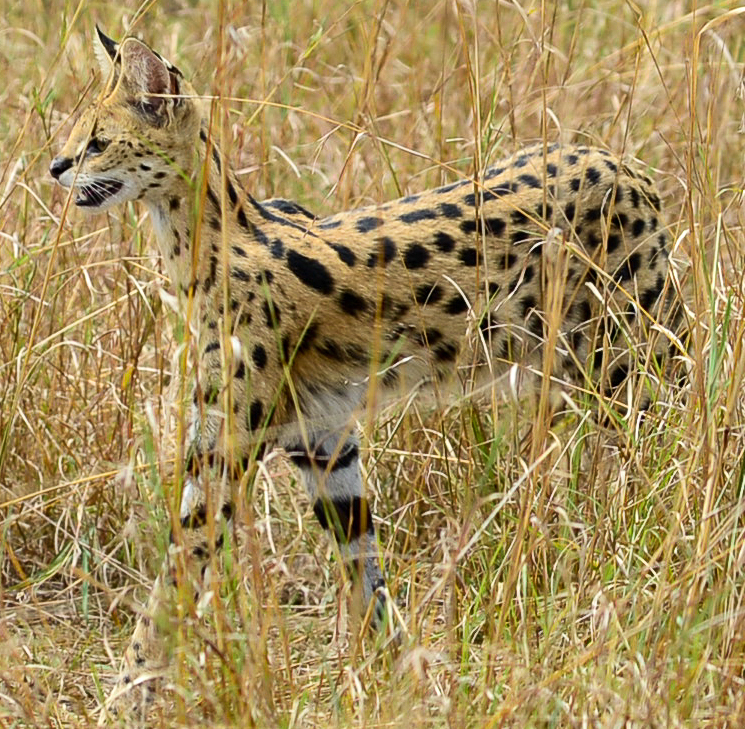
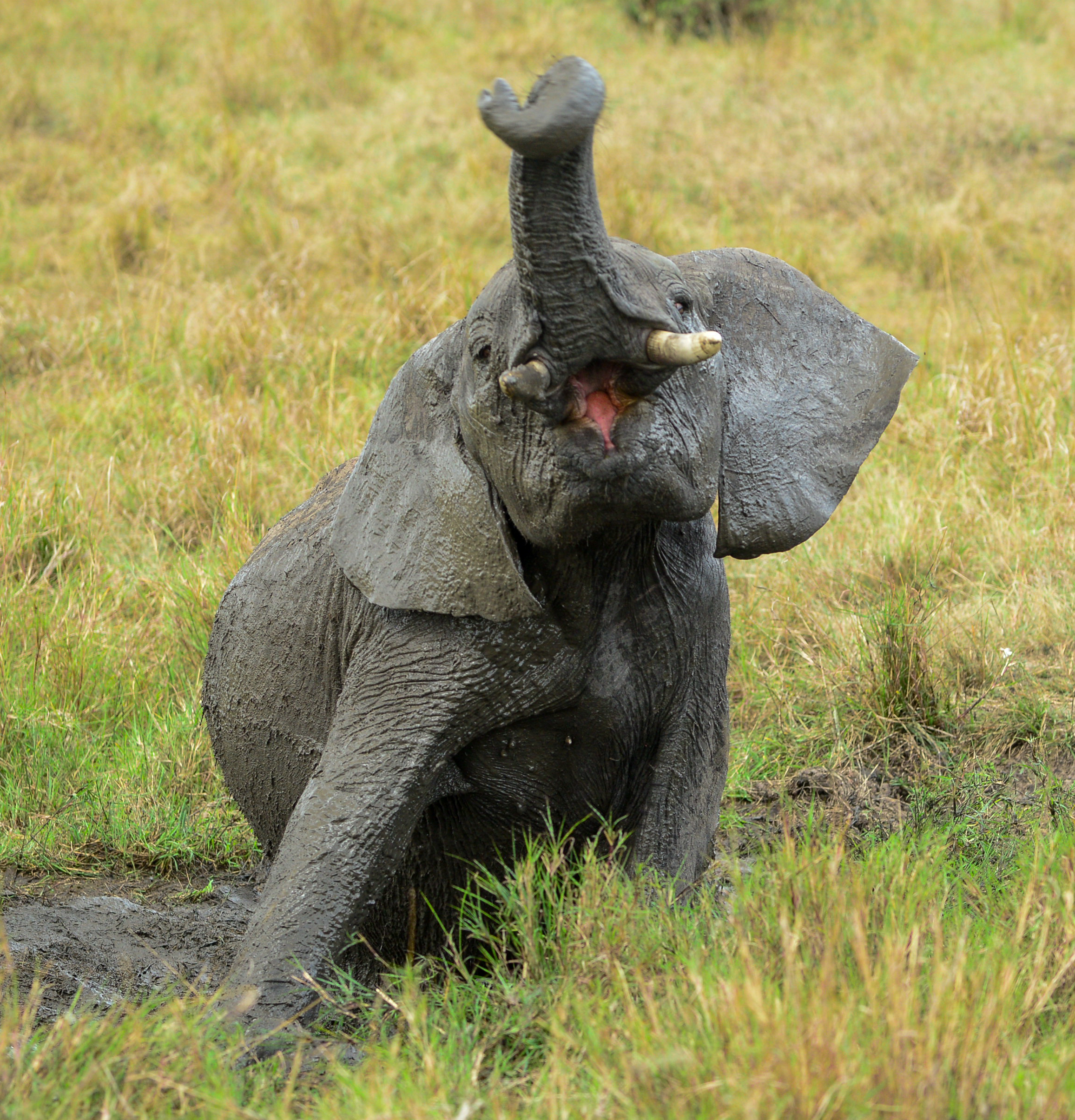
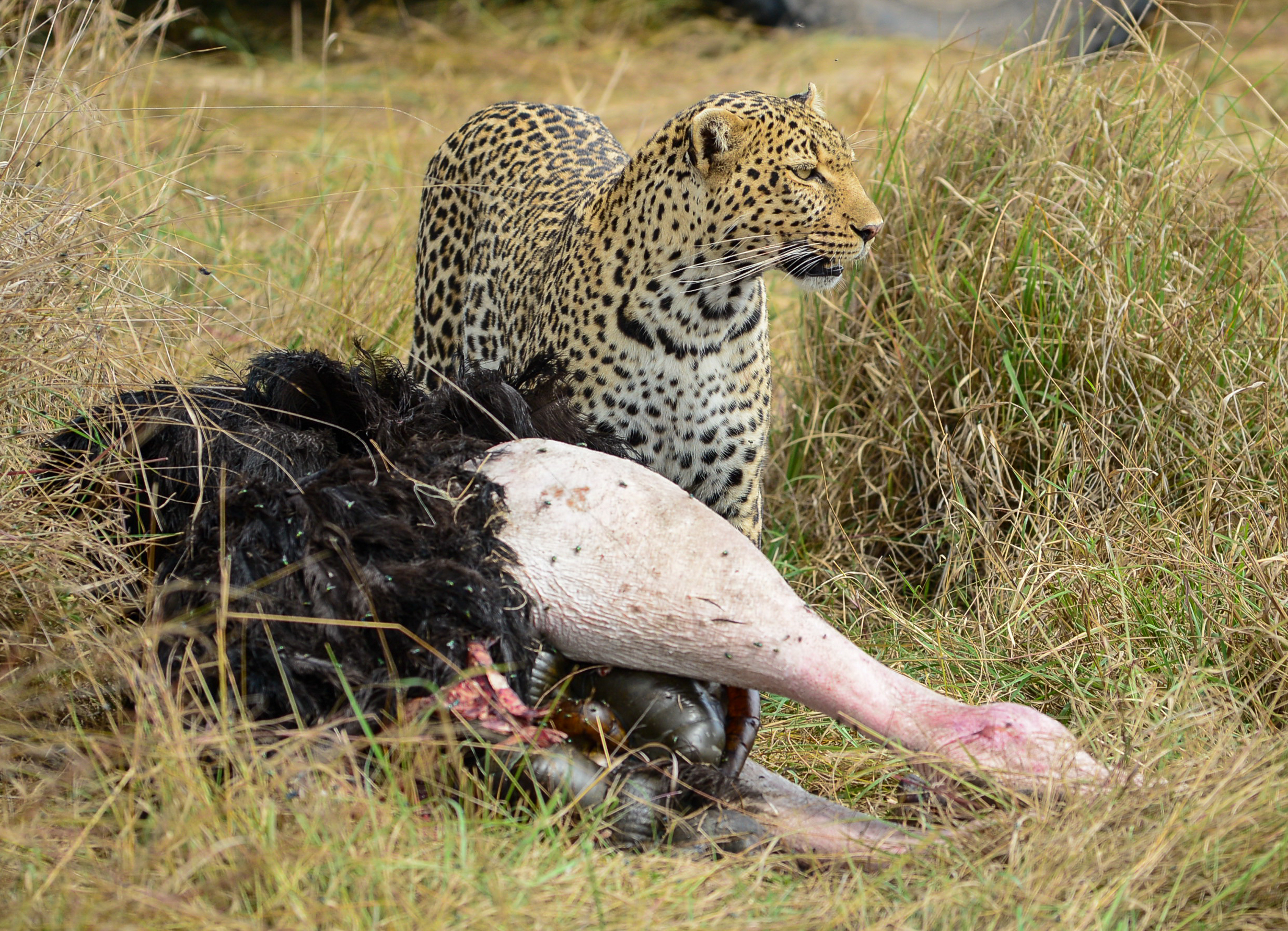
That leopard sighting occurred on the last day of the safari, after having seen the other four of the Big Five in previous days. It’s one thing to see each animal in the wild, it’s quite another when you see animal behavior in action, like that hippo protecting the wildebeest from the croc during their migration. Among other sightings was a serval cat killing a smaller animal for a snack and a leopard protecting its ostrich kill so it could bring some of it to that cub I mentioned earlier, 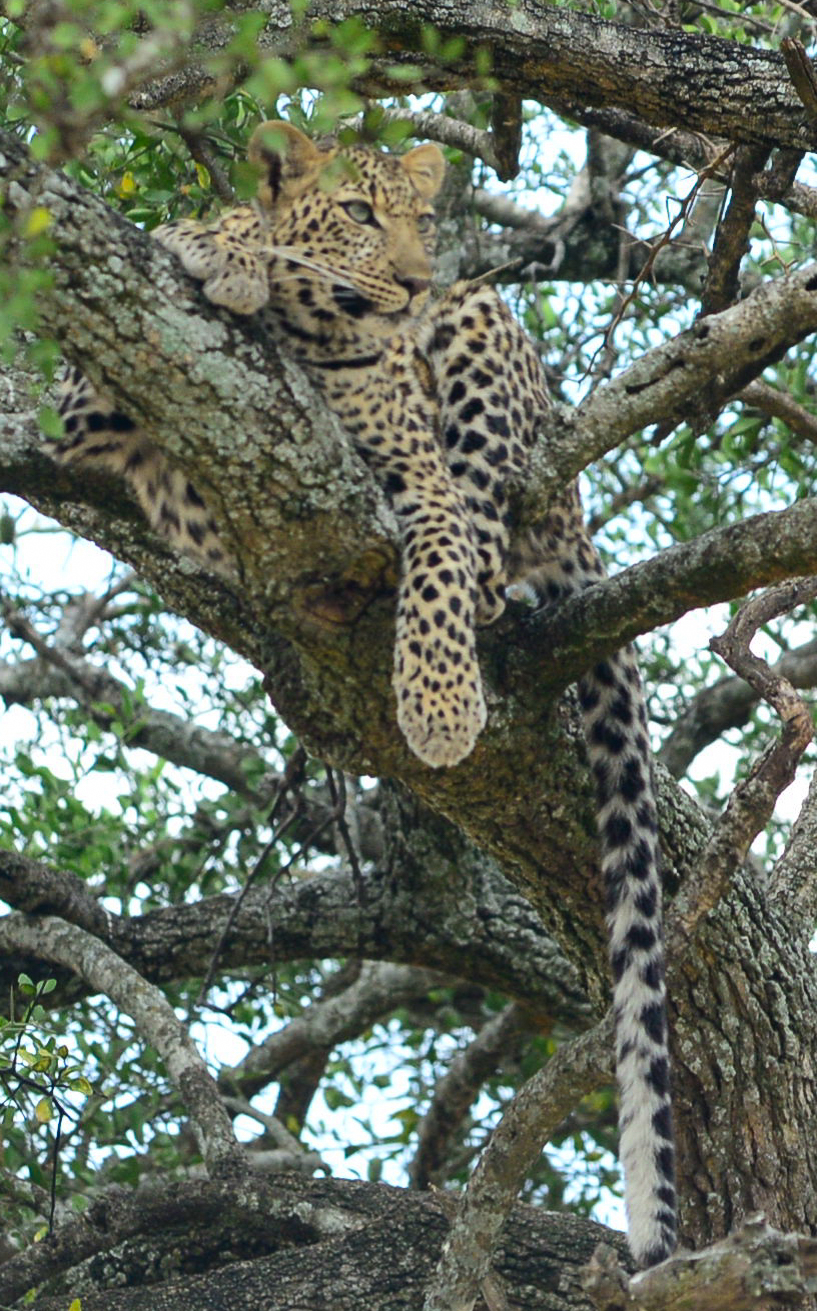
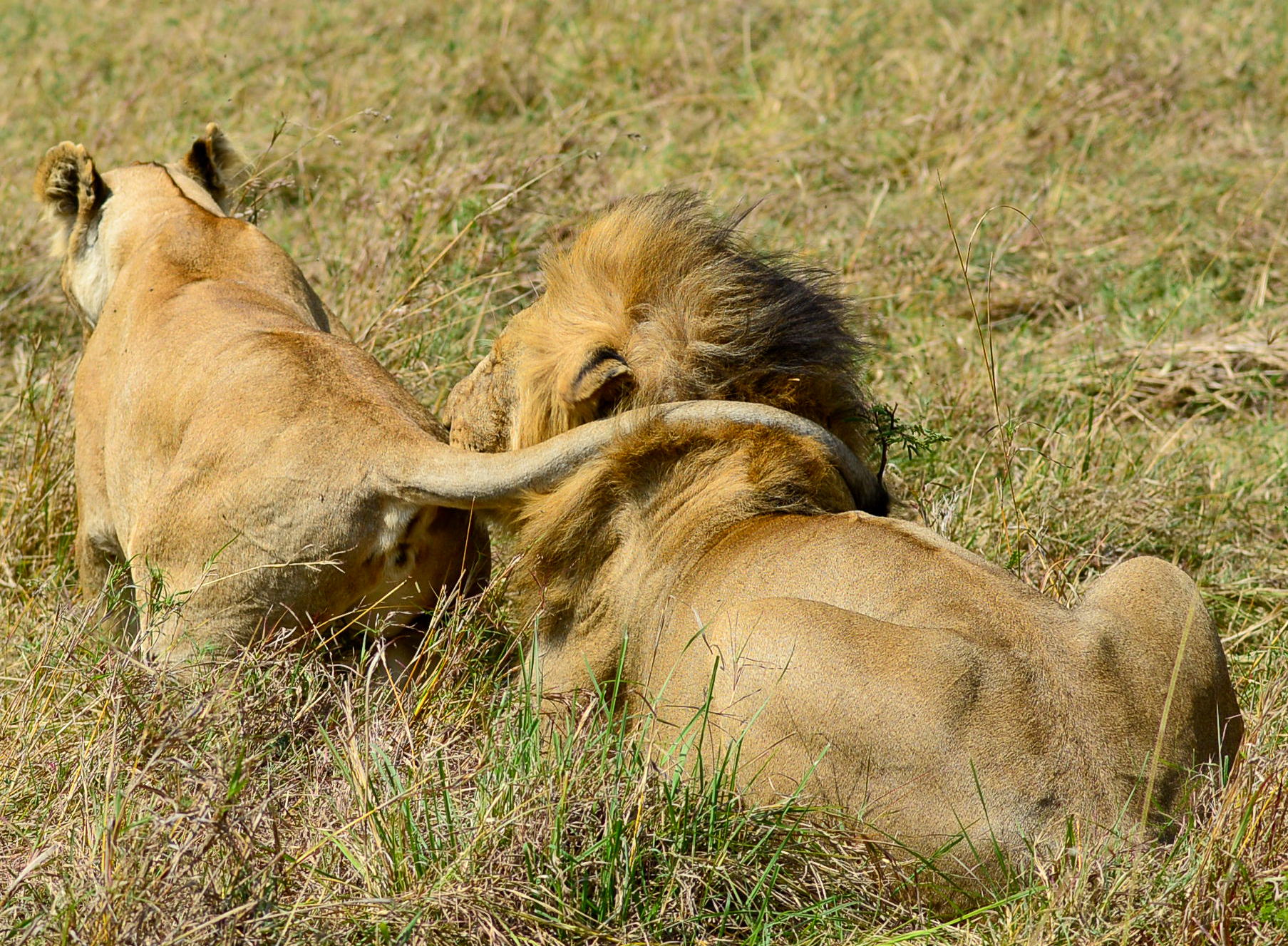
 watching two lions couple 4 times – yes, four times- in a matter of 45 minutes (I suppose it was a bit voyeuristic, but they didn’t seem to care one little bit).
The Village Experience, prides itself on being a socially responsible tour operator that gives its clients unique experiences they might otherwise not have, and at the same time gives back to those communities through the support of the company and its clients. One of those experiences was visiting a Maasai village. The Maasai are best known for their colorful dress and distinctive customs. We had an opportunity to learn about their way of life as well as participate in some of their dances and songs – a fun and interesting experience, one not easily forgotten, especially the men’s dance where TK, one of the members of our group, showed off his jumping ability. In Maasai culture, women are desirous of a man who can jump high. Well done, TK!
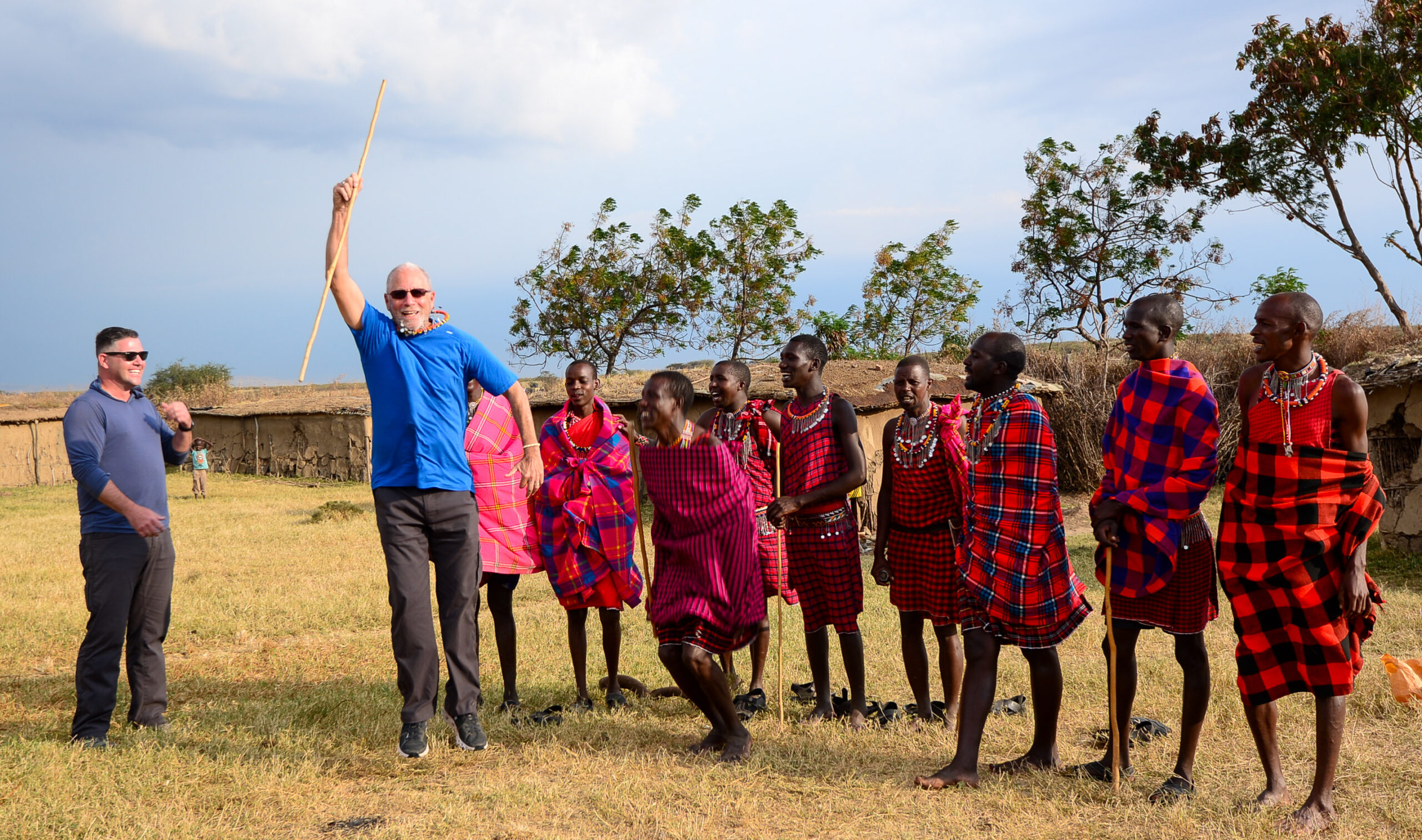
Ed having a go with the high jumping TK looking on
With the safari portion of our trip completed, we began what we thought would be another very bumpy drive back to Nairobi. Danson assured us, however, that the trip would be a smooth one on a well-paved road. We hadn’t really experienced any well-paved roads for any long distance so we were a bit suspect, but Danson, once again, did not disappoint as we arrived back at the Wildebeest Eco-Camp, where we began our adventure, for a one-night layover, which included a stop at a giraffe sanctuary.
We were all looking forward to a bit of R&R, and Lamu Island, our next stop, seemed to be a good spot for that. Jayne and I, in anticipation of beaches and warm weather, booked an additional week in Lamu after the official trip ended. Lamu was about an hour and a half plane ride from Nairobi, and from the moment we landed and hopped on a boat that would take us to our accommodations, we just knew this was someplace special.
We were met in Lamu by Kelly Campbell, the co-founder of The Village Experience, who has lived on Lamu for the past six years. Kelly has fostered some wonderful relationships and partnerships with the people of Lamu, aimed, in part, to help people, women, in particular, understand how they can empower themselves. She ensures that her guests are aware of those in the community who are moving Lamu in a positive direction, whether it be schools, merchants or a local women’s association, or a veterinary clinic. Kelly embodies her values of socially responsible tourism and encourages her guests to support those in Lamu who are committed to moving the community forward.
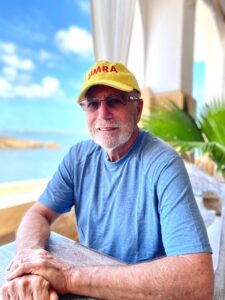
One such community effort is Safari Doctors, an organization founded by Umra Omar, the 2017 recipient of the UN Person of the Year award. On the day we visited a veterinary clinic, Safari Vets, a community outreach program affiliated with Safari Doctors, that treats donkeys, cars, dogs, and livestock, Umra was there and you could just feel her powerful presence. The clinic has had a recent facelift and is always in need of supplies. Knowing that one of the people in our group, Ursula, brought several stethoscopes and other supplies from the States. It’s grassroots efforts like these that help organizations in less affluent countries survive and thrive. Umra is running for the Governor of Lamu and you’ll see bright yellow baseball caps being worn with her name on the front, a cap I’m proud to wear in solidarity. I love the African proverb they have posted on their site:
“If you think you’re too small to make a difference, try spending the night in a room with a mosquito”
The primary mode of transport is boats of all sizes, the largest of which is the dhow, a trading vessel used traditionally to haul heavy items in the Red Sea and the Indian Ocean. In Lamu, they are used for sunset cruises and the like. Smaller boats might transport you to Lamu town, about 2 km away from Shelah, the section of the island where we are staying. Shelah is much more mellow than Lamu town, where more commerce takes place and more people reside.
Our group stayed in a private home overlooking the water, where we enjoyed the cooking of our chef, Salim, and his very capable steward, Jimmy. After four days, it was time to say goodbye to our trip mates who were either heading home or to South Africa for additional holiday time. Whether we ever see each other again, is of course unknown, but the time we spent together will not be forgotten.
Jayne and I continued to enjoy the laid-back culture of Lamu, Shelah in particular, getting to learn more about our boatmen and their lives and meeting others who have chosen Lamu as a place to chill. Our days consist of taking long walks on the 12 km stretch of white sand beach, picking up some trash along the way (our small part in helping the environment), grabbing some lunch (usually seafood for me; vegetarian options for Jayne), relaxing before getting ready for dinner then bedtime. Repeat the same itinerary the next day, maybe mixed in with a boat ride.
After spending 11 days in a small village, you get into the rhythm of the culture and Swahili words like Jambo (hello), Asante Sana (thank you very much), Lala Salama (good night), and, of course, baridi (as in baridi Tusker, a cold Tusker beer) just slip off your tongue. Swahili has a very melodic tone to it which seems to fit the essence and rhythm of the people. We will miss the friends we made, Zillah, Yusuf, Maradona, and Jamil, in particular, as they made us feel at home in their home. Asante sana!
While Kenya is a third-world country with third-world issues, our experience in the parts of Kenya we visited, were people who were good-natured, friendly and warm-hearted who embraced the spirit of hakuna matata (no worries). We will be leaving Kenya with the fondest of memories, especially of the people we met.
Before we depart Kenya though, there is still one more place to visit – Nanyuki, a four-hour drive from Nairobi. That will be in my next update which will also include our next destination after Nanyuki – Egypt!
Thanks for reading and following us! We love to hear from you so if you want to shoot us an email, please do so at either etrost@gmail.com or fitnessbeyond@aol.com!