
OUR TRAVELS TO DATE
SRI LANKA
written by ed; photos by jayne
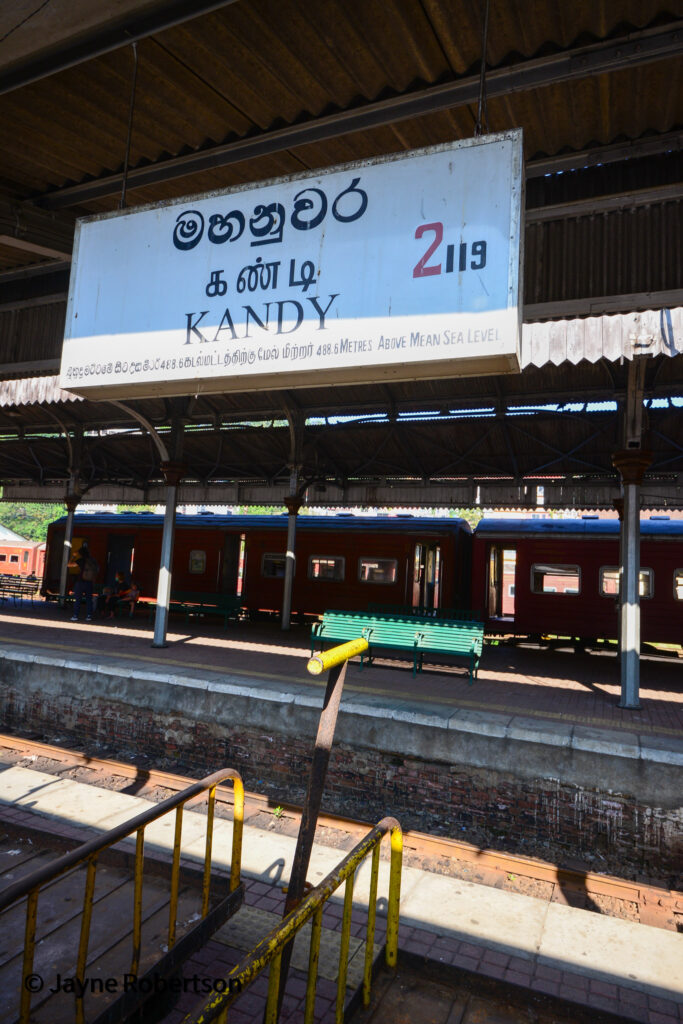
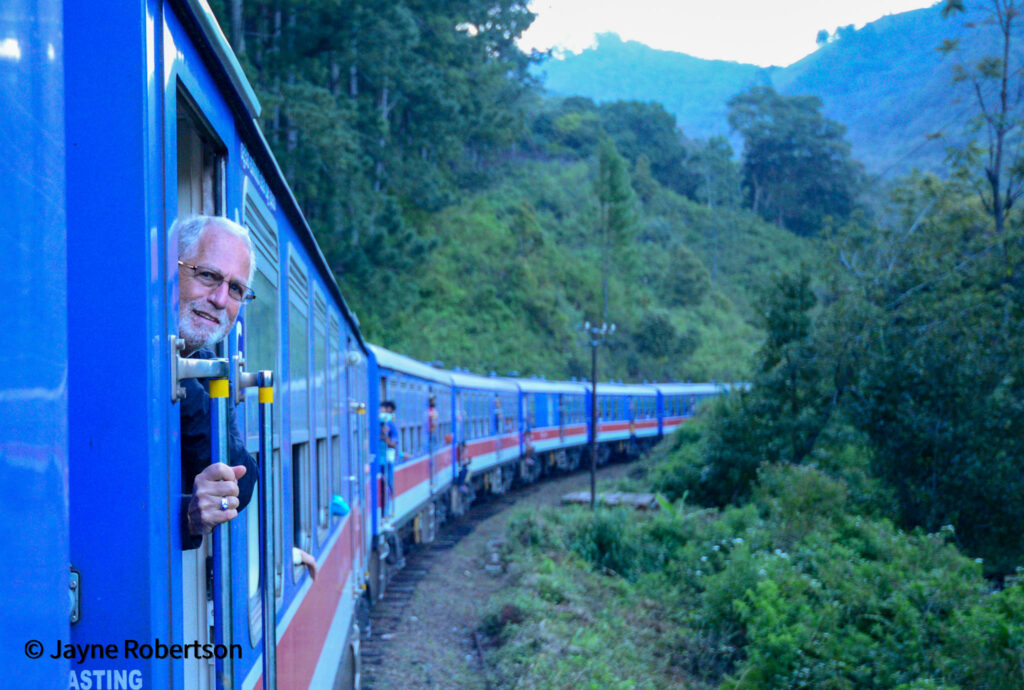
As mentioned in the previous blog, the railway journey from Kandy to Ella is considered by many to be one of the world’s most scenic. As such, there are many travel articles written about the ins and outs of the journey including what side of the train you should be to get the best photos. Dasun was able to secure tickets for the Kandy to Nuwara Eliya leg of the trip but didn’t know if they were on the correct side of the train. Well, “lucky” for us they were. As it turned out, the best photos would be taken from between the cars of the train, which avoided having the glare of the window interfere with the quality of the picture.
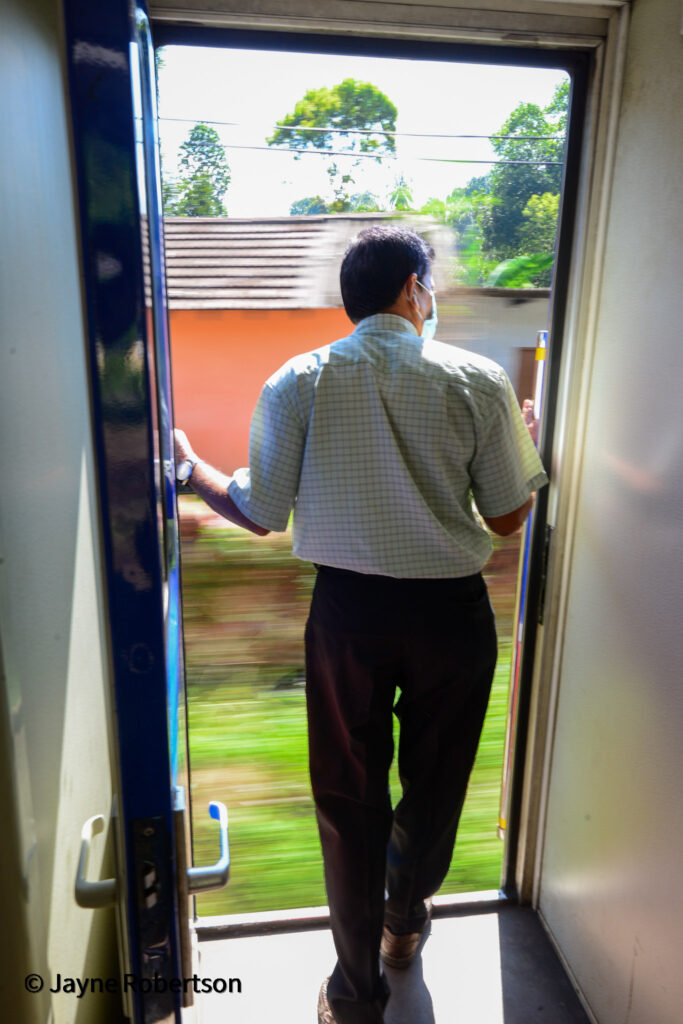
Some people (tourists) were sitting with their legs hanging outside the train while others stood and looked at the scenery while holding on to the railings of the car. We did the latter, which still felt a bit daring since having a gander with your head out too far might result in a really bad accident. Talk about being present!
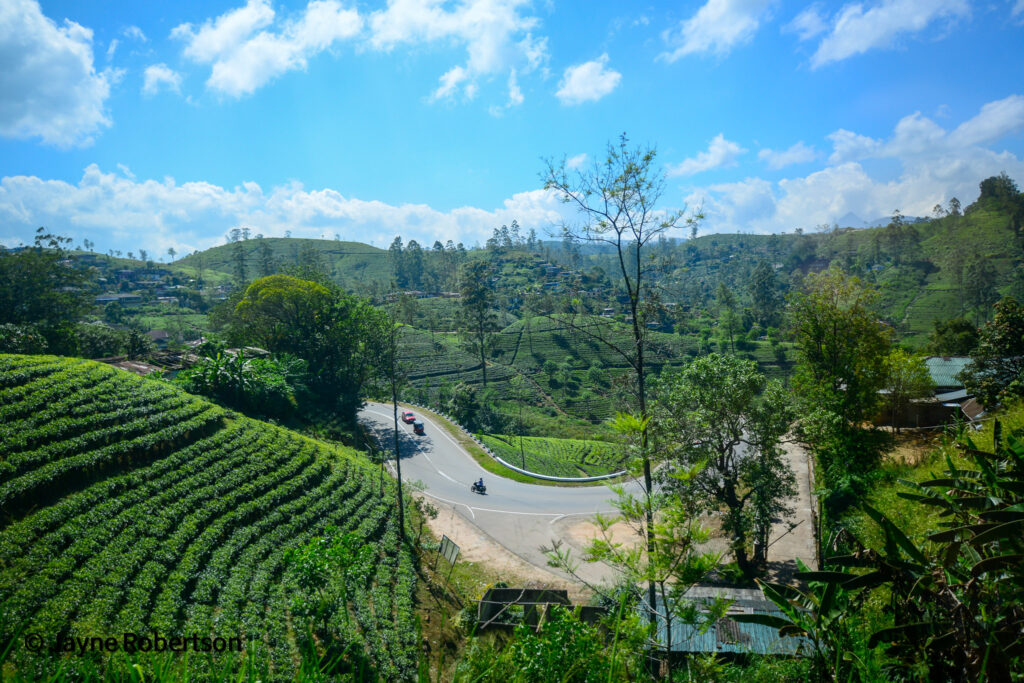
Dasun drove the route from Kandy to Nuwara Eliya with our bags in tow and we met him at the train station after the 3-hour journey, which was filled with beautiful scenery, particularly the tea plantations which dotted the countryside. Once at the station we purchased our ticket to take the remainder of the journey from Nuwara Eliya to Ella, two days later. Again, Dasun drove while we took the train.
SL is the world’s fourth-largest exporter of tea, behind China, India, and Kenya. The city of Nuwara Eliya is at an altitude of 1,868 m (6,128 ft) and is considered to be the most important location for Ceylon tea production in SL and is also known for having the coolest climate in Sri Lanka.
We decided to visit Pedro Tea Estate, one of the many tea plantations in the area. This particular estate is what is referred to as an “ethical” tea plantation because of some of the programs it has in place for its workers, including ones that encourage them to improve their skills and knowledge.
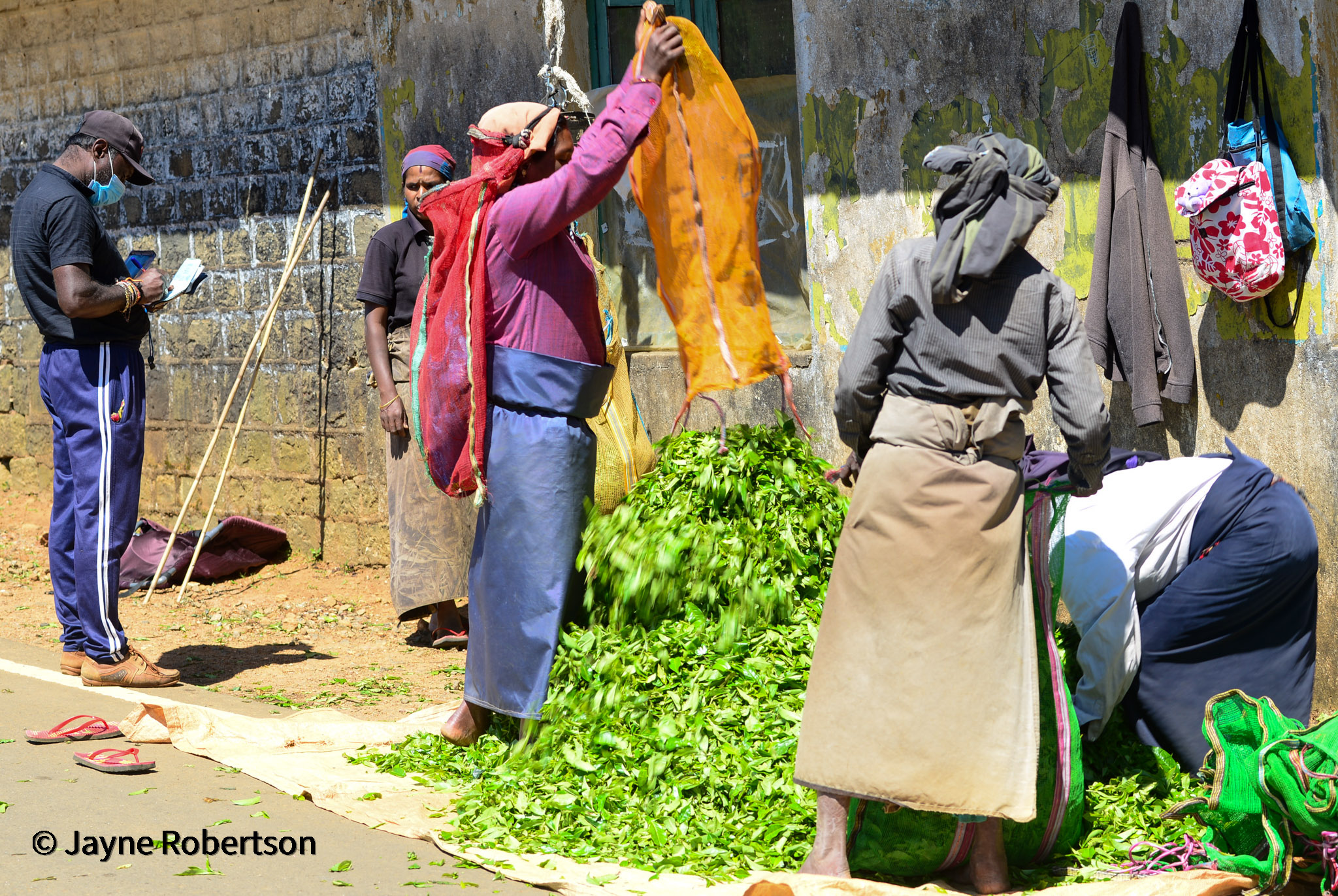
Tea plucking is not easy or rewarding work. After having a tour of the factory, which still had equipment dating back to the late 19th century, we had a go at plucking. After 15 minutes or so, you have a greater appreciation of the hard work involved. With many of the tea pluckers (all women) making just 1000 rupees per day ($5 USD), the 500,000 pluckers in Sri Lanka are among the nation’s most impoverished and marginalized populations.
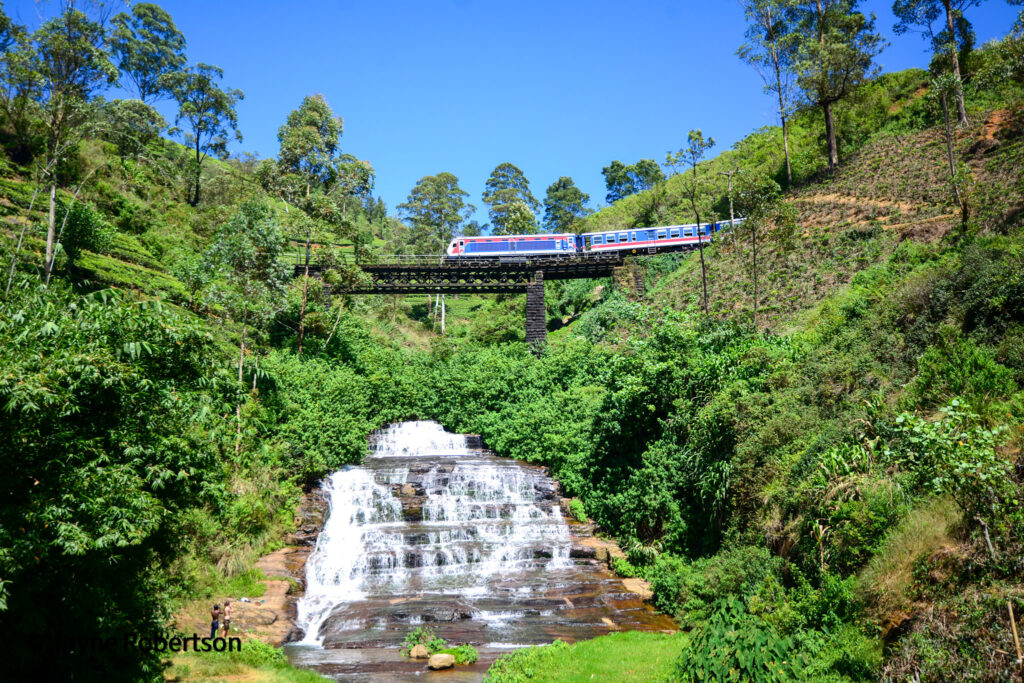
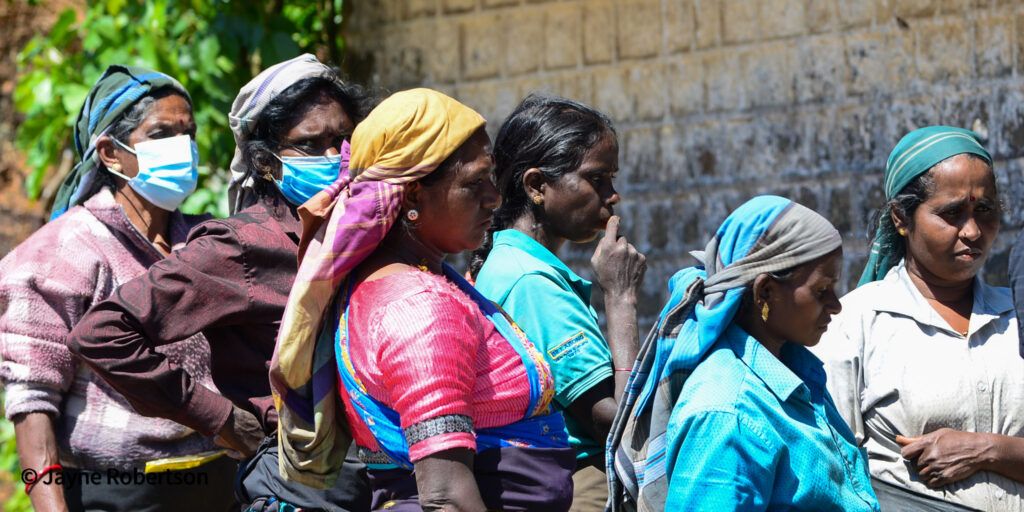
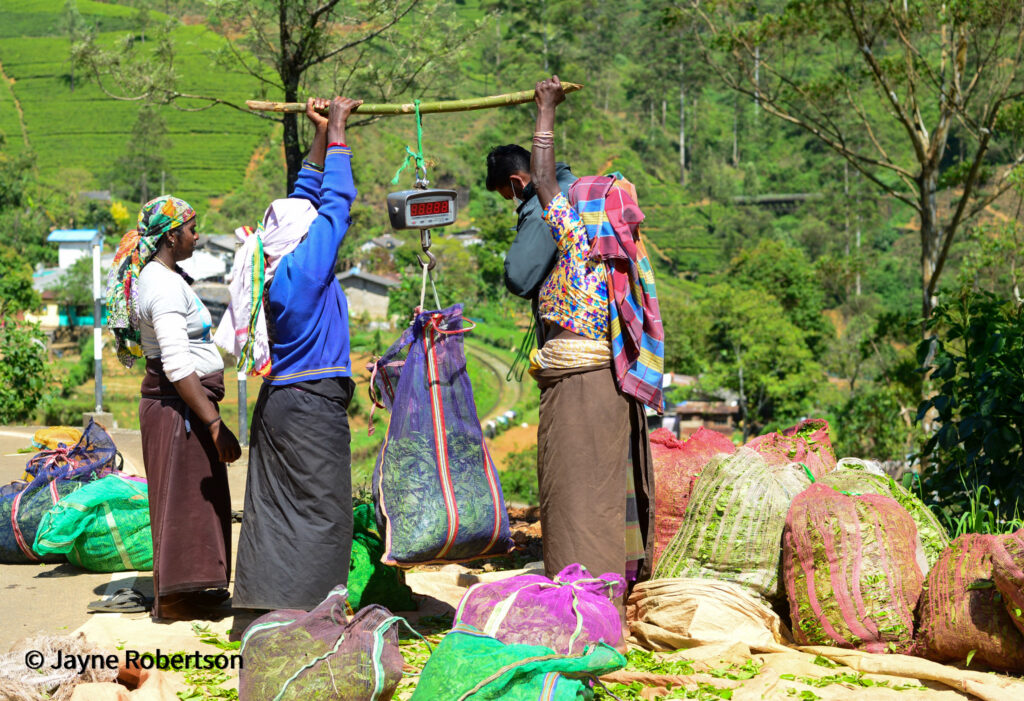
Dasun took us to a waterfall nearby and I decided to take a bit of a stroll away from the main road. When we got back in the car, I asked Dasun if we could explore a bit in this area and so off we went. In a few minutes, we happened upon one of the most memorable sights of our plantation experience. The women had just finished their plucking for the day and were hauling burlap bags of tea leaves uphill to a spot where a man was waiting with a pen and book in hand so they could weigh their haul for the day and he could record the weight. We were told on the plantation tour that unless the bag had a minimum of 18 kg (37 pounds) they would only get paid a portion of the haul. What was most striking was, these women looked so fatigued and at least to my eyes, forlorn. After the bags were weighed, the men would transfer the leaves to another bag to be hauled away to the factory where the leaves would be dried. We were very “lucky” to have arrived as this process unfolded, yet sad to think how hard these women labored for their paltry wages.
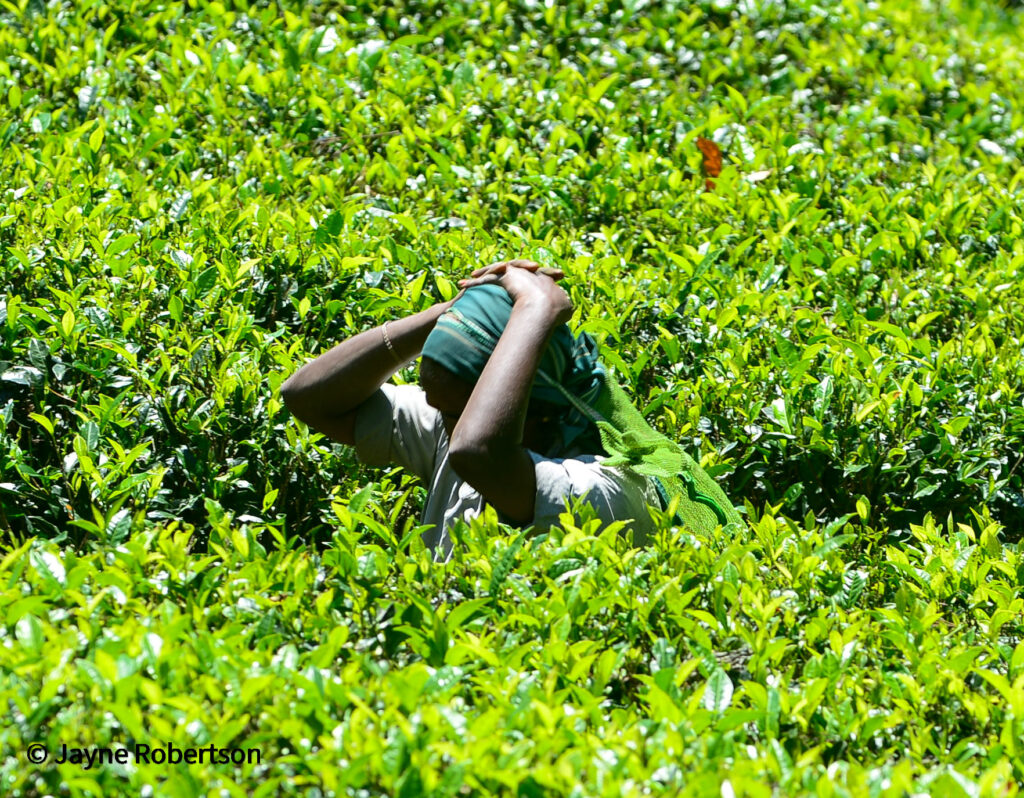
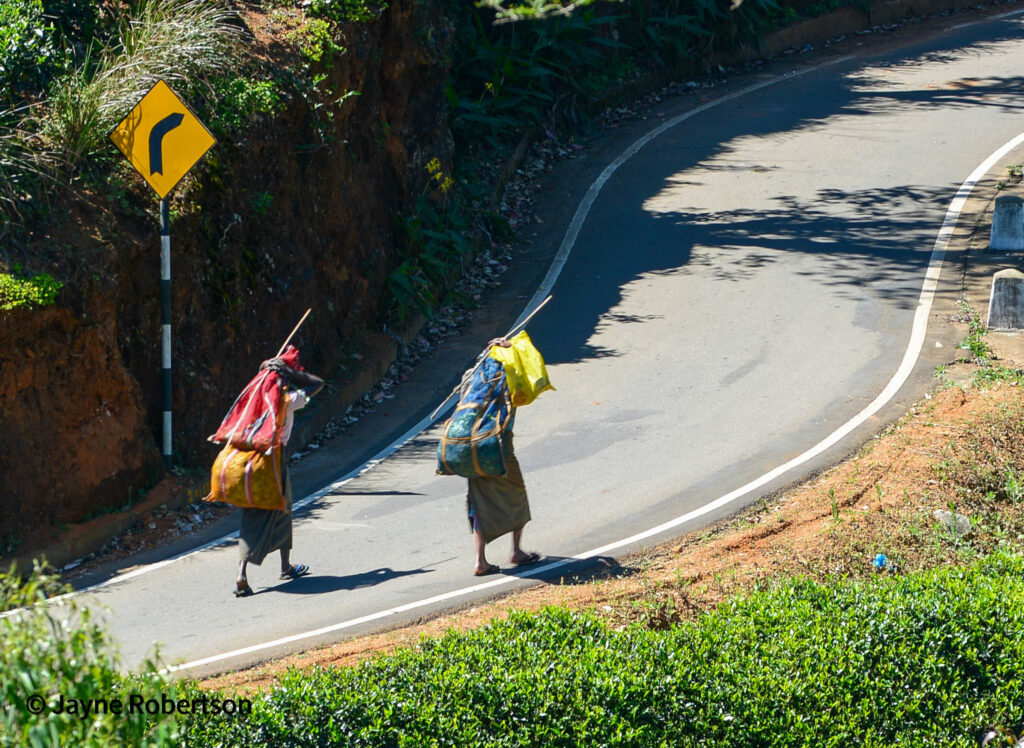
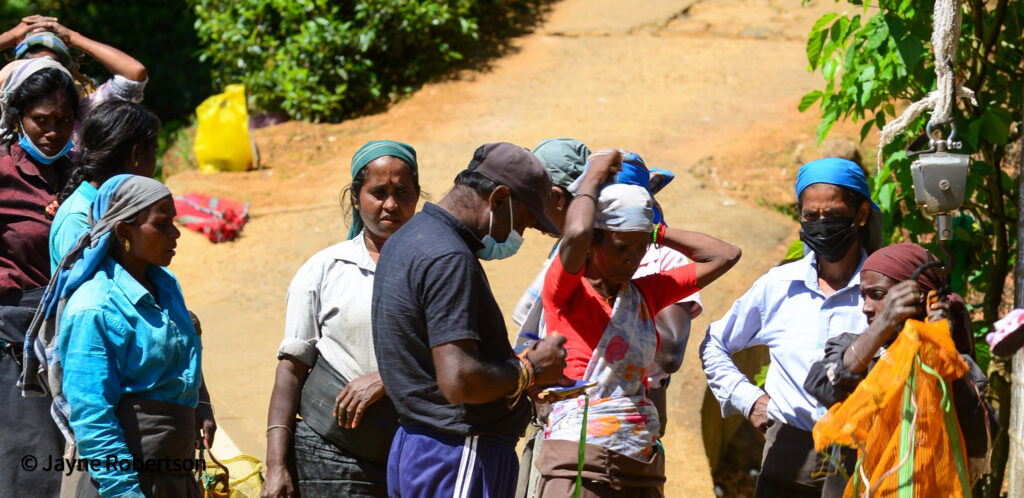
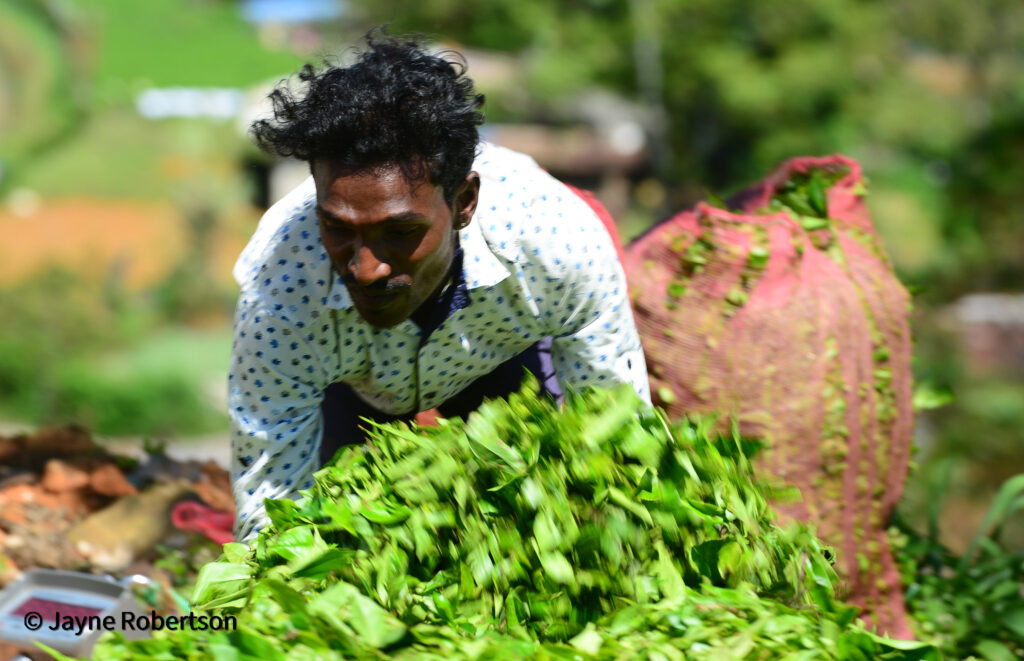
Of course, we had many questions for Dasun after we watched this, and one of the first things he told us was that these pluckers and their families were of Tamil origin and that tea plucking would be a way of life from generation to generation with really no escaping their lot in life. In the 1980s, after more than 150 years of living in SL, these fourth-generation descendants of Indian Tamil indentured servants were finally granted SL Lankan citizenship rights. However, they continue to be among the most marginalized and impoverished people in the country. The next time you sit down with that cuppa, take a moment to think about the hard work that went into producing it.
After our two nights in Nuwara Eliya. we hopped aboard the second leg of our railroad journey to Ella. We were a bit braver as we stood between the cars at times to take in the scenery, it kind of felt like a ride in an amusement park! Again, Dasun drove the car from Nuwara Eliya and met us at the train station in Ella.
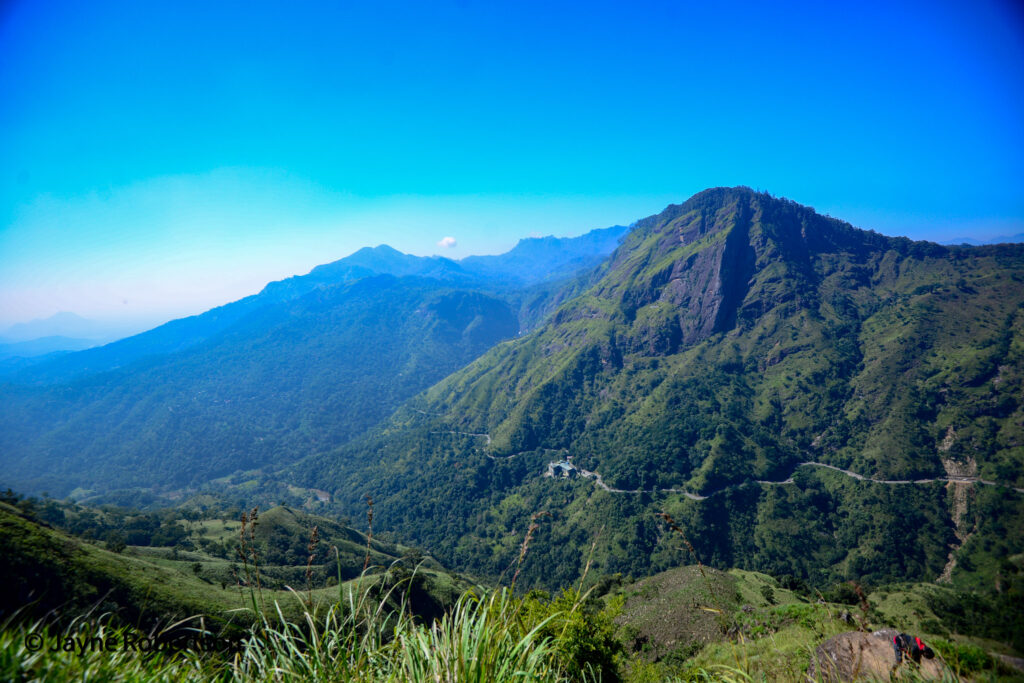
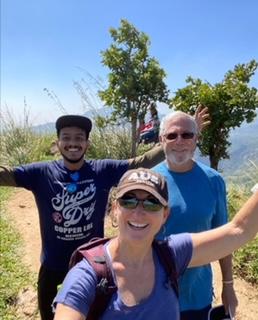
Ella is well known for its hiking trails and waterfalls. Dasun took us on a hike called Little Adam’s Peak which at the top provided us with a beautiful view of the valley below.
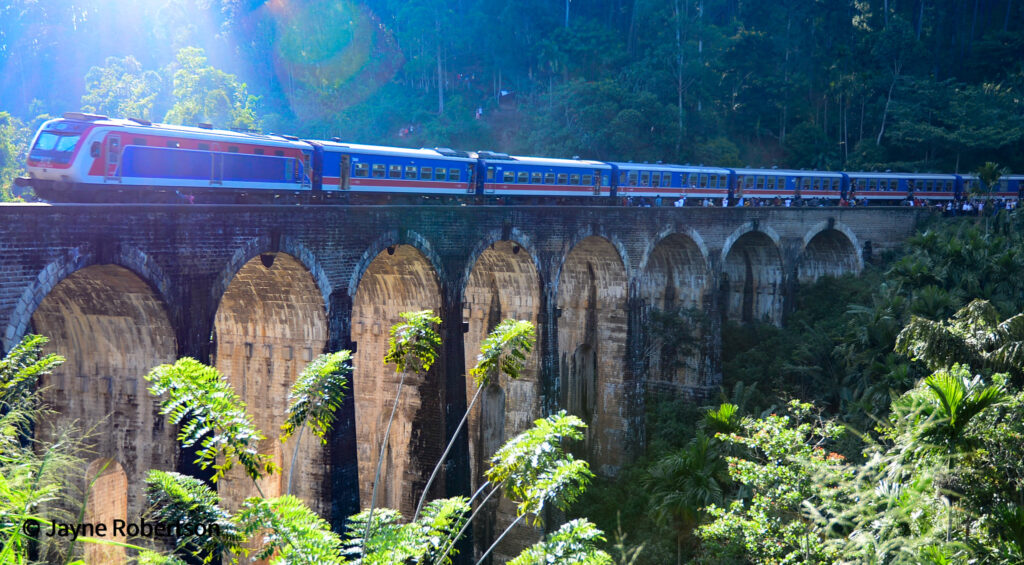
Another popular spot to visit is the viaduct bridge named Nine Arches. It is considered one of the best examples of colonial-era railway construction in the country. The construction of the bridge is generally attributed to a local Ceylonese builder, P. K. Appuhami, in consultation with British engineers.
When we mentioned to Dasun we wanted to visit some national parks as we headed south, he said he knew some people who could help us out at a good price. This became a familiar theme with Dasun as it seemed he knew many people from many different walks of life. As promised, he arranged some private tours for us at two national parks.
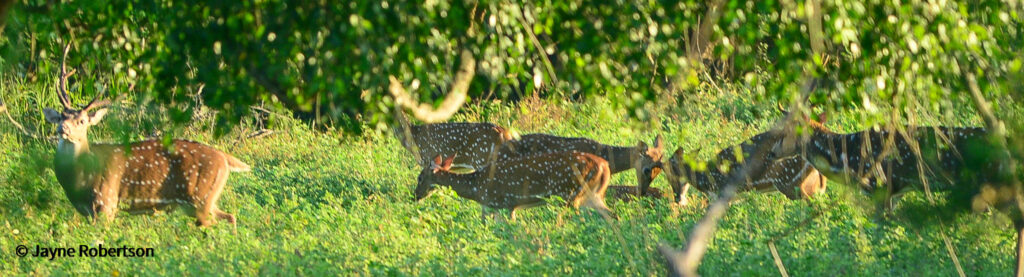
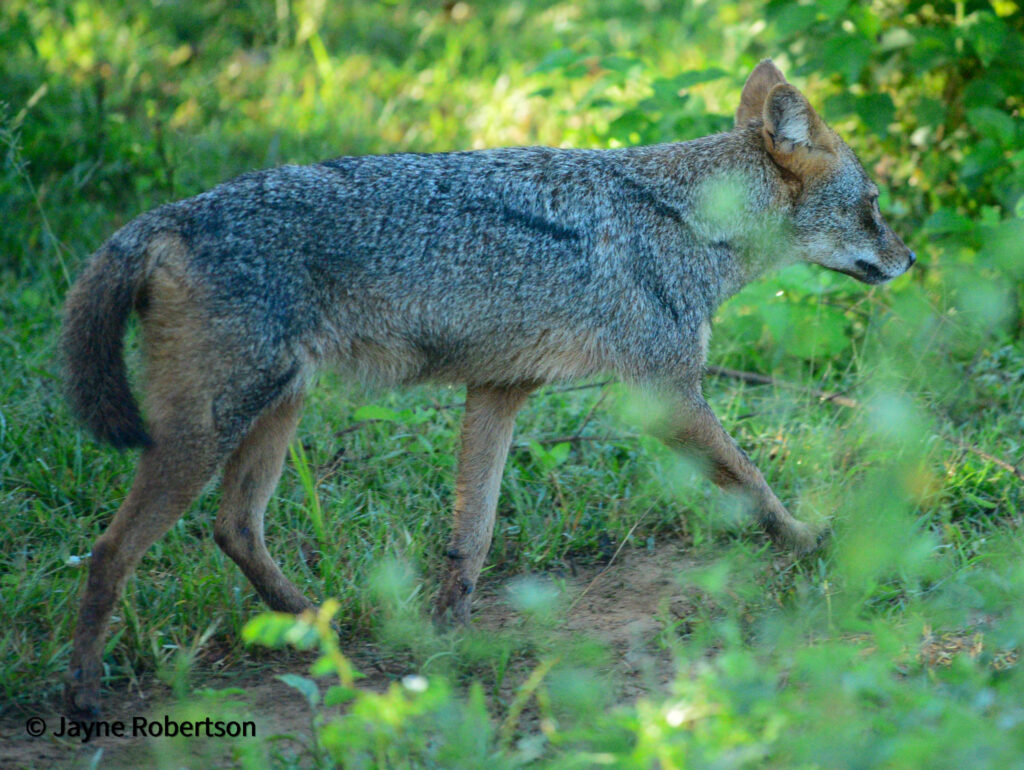
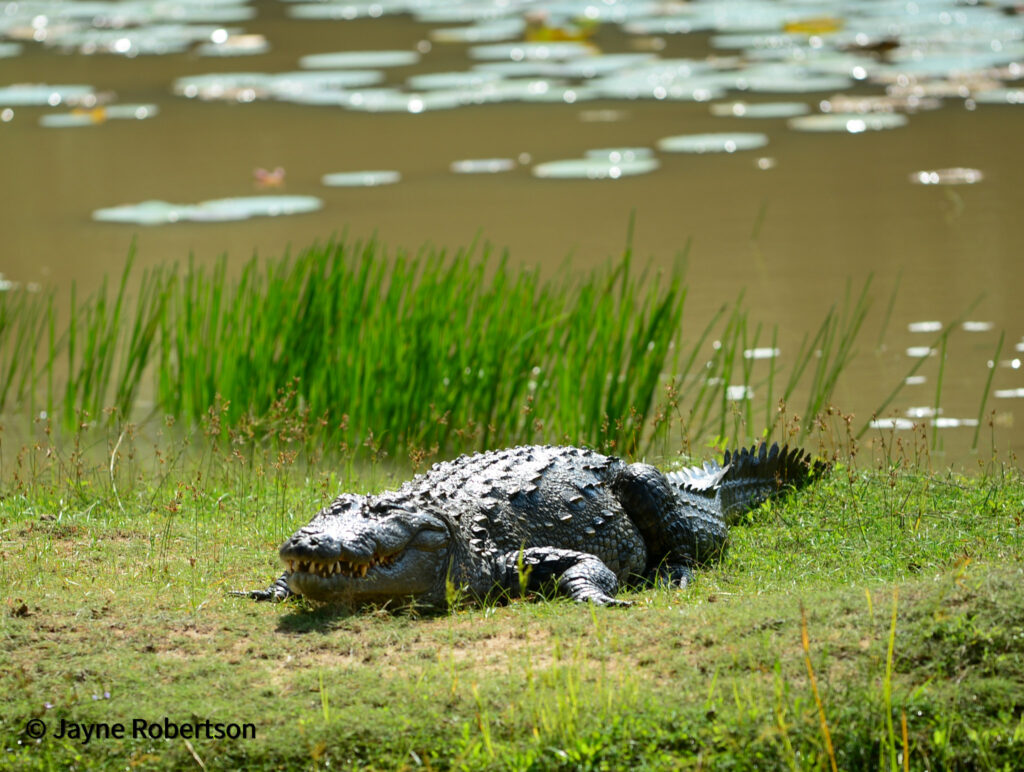
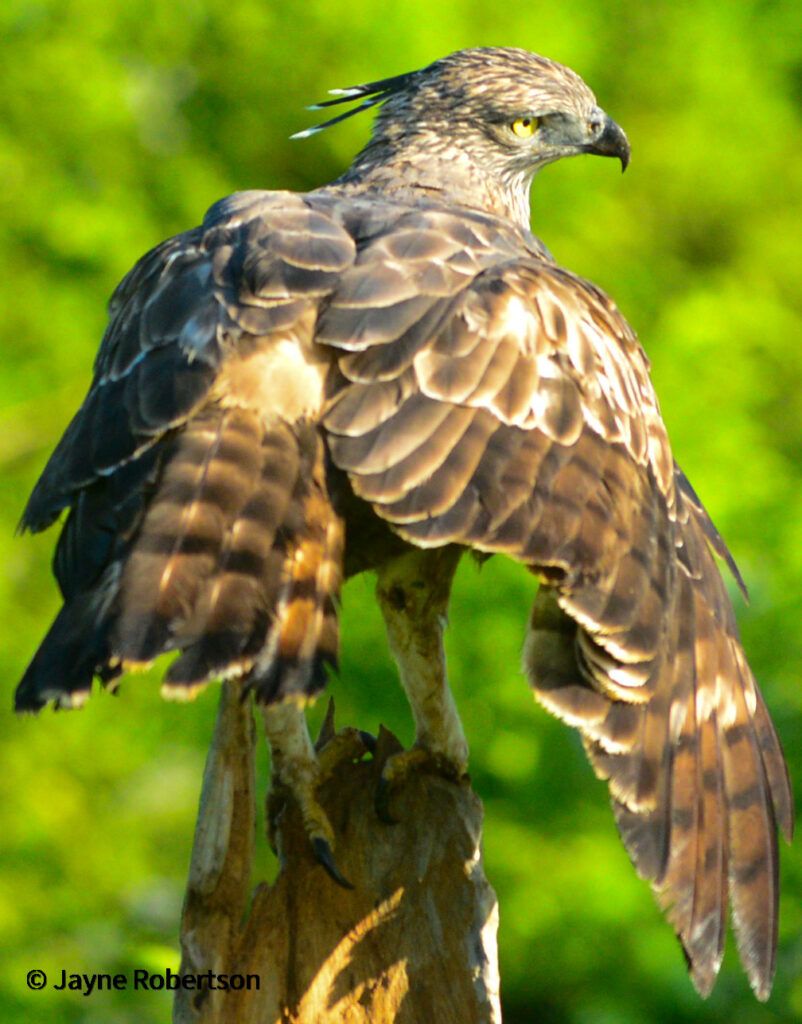
Our first stop was Yala National Park, the most visited and second largest national park in SL which borders the Indian Ocean. While the park is large, it doesn’t have quite the variety of animals of, let’s say, the Maasai Mara in Kenya, but it does have the allure of leopards. There are over 200 leopards in the park, but they can be elusive and shy, and so on this occasion, we weren’t so lucky as we didn’t spot any in the park. What we did see was a large variety of birds, spotted deer, wild dogs, crocodiles, and elephants.
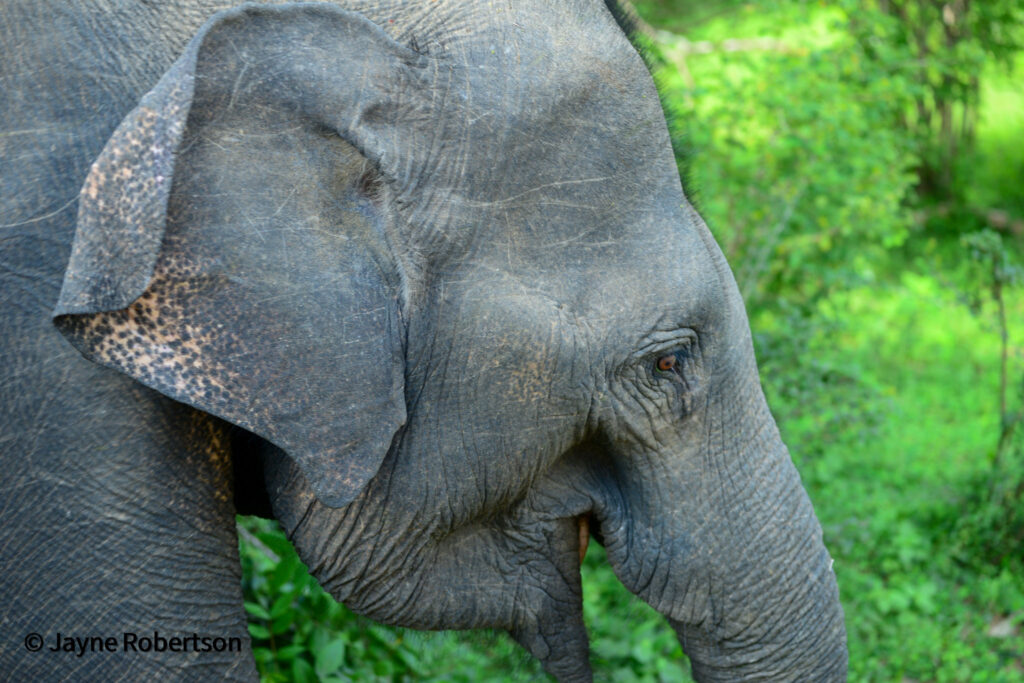
The next park was Udawalawe National Park, the place to go if you are an elephant-phile (like Jayne)and mainly interested in spotting wild elephants. It is also the better option for someone wanting a jeep safari in a less crowded national park. We saw many elephants (20+) in the park and visited an elephant orphanage sanctuary nearby as well.
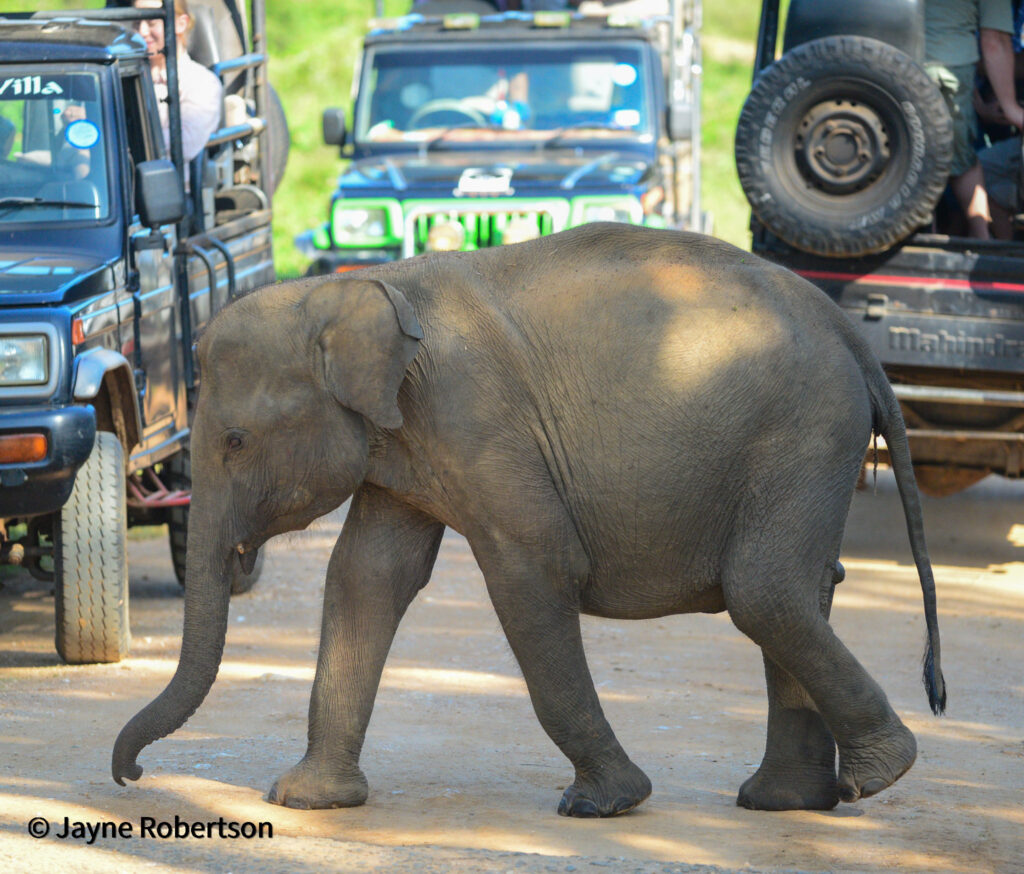
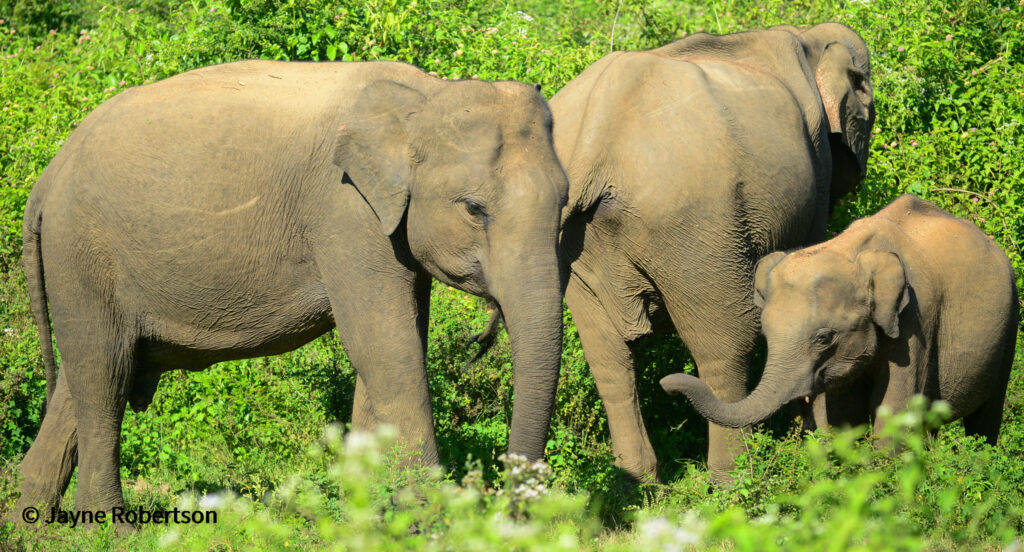
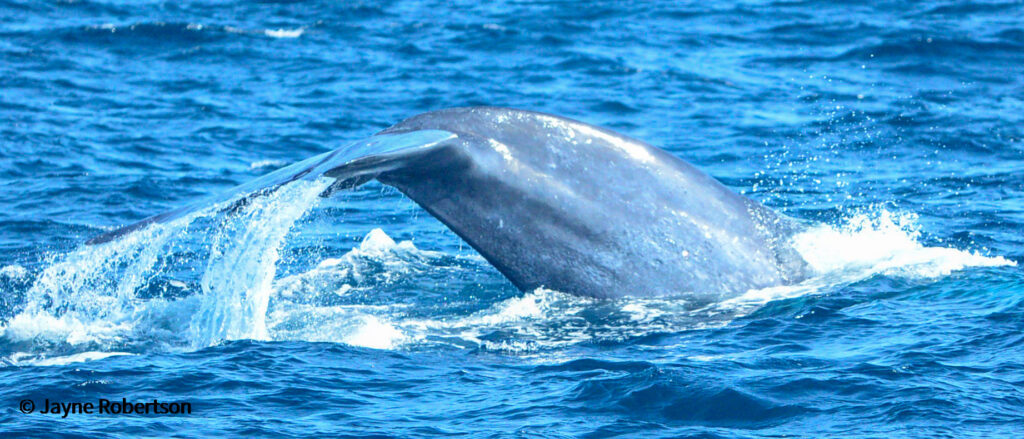
The southern shores with their beautiful beaches would be our next destination, and after two-plus weeks being passengers in a car we were very much looking forward to chilling out. Mirissa is a very popular beach town, well-known for whale watching, so we decided to take a boat cruise and hopefully spot some blue whales. Like all wildlife safaris, the operators make a point of stating that they cannot guarantee us seeing any, but they would do their best.
First, a few fun facts about blue whales:
- they can grow up to 30 meters (100 feet) in length and weigh up to 220,000 kg (440,000 pounds) and are the largest animals that have ever existed on the planet
- they can eat as many as 40 million krill per day, or around (3,630 kg) 8,000 pounds daily. They feast on these small fish as their mouths do not open very wide. So, not to worry when snorkeling or diving with them, they can’t swallow a human
- their heart is the size of a mini-car
- bottom line – they are HUGE creatures!
Because of their size, you’ll only find blue whales in very deep waters so it took a bit of time for our boat to get out to the areas where we might spot them. Once we arrived in those deeper waters, it wasn’t long before the captain of the boat shouted “WHALE” and we soon had a bird’s eye view of the sheer size of this mammal. Within a short period of time, we saw two more whales and the captain told us how “lucky” we were. Of course, when we got back to shore and told Dasun of our “luck”, he just rolled his eyes, like saying “of course, you saw them”. By this time, Dasun began calling us by the moniker, “Mr. and Ms. Lucky”, a term of endearment and sarcasm we both relished.
The beach towns of Hiriketiya and Dickwella, where many surfers frequented, were our first real tastes of what beach life would be like on the southern coast. Many foreigners, mostly Russian and Ukrainian, were in abundance, young and maskless.
A few days of that scene were enough for us so we moved on to the beach town of Unawatuna, just a few kilometers from Galle, and Dasun’s home village of Imaduwa. Although we had contracted with Dasun for 23 days and that time was just about to end, he assured us that we would still see him since he had some free time before his next job.
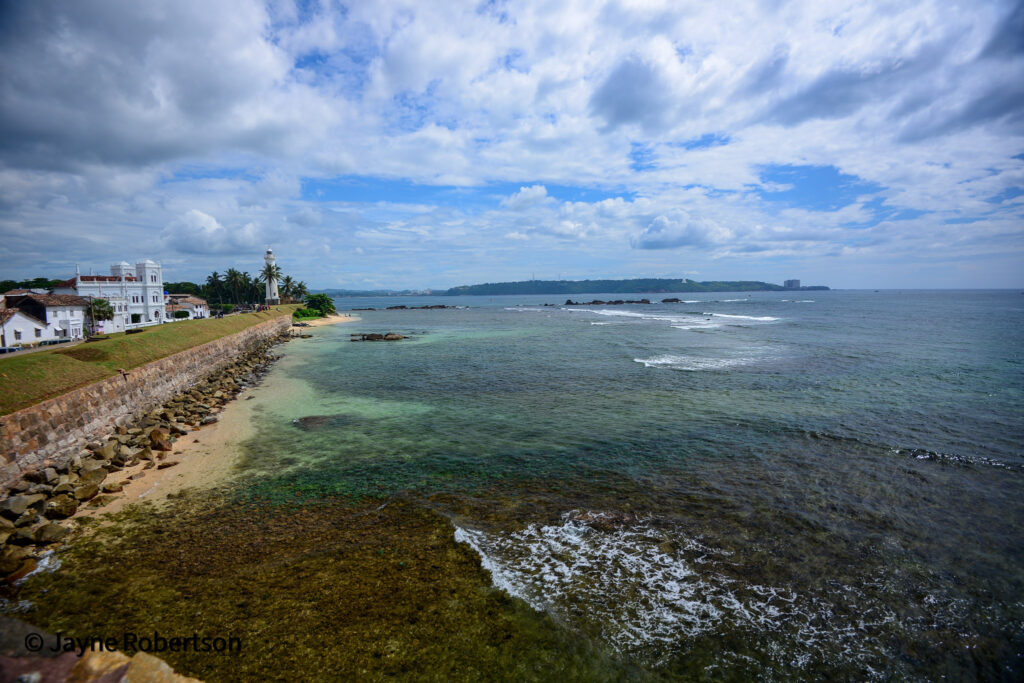
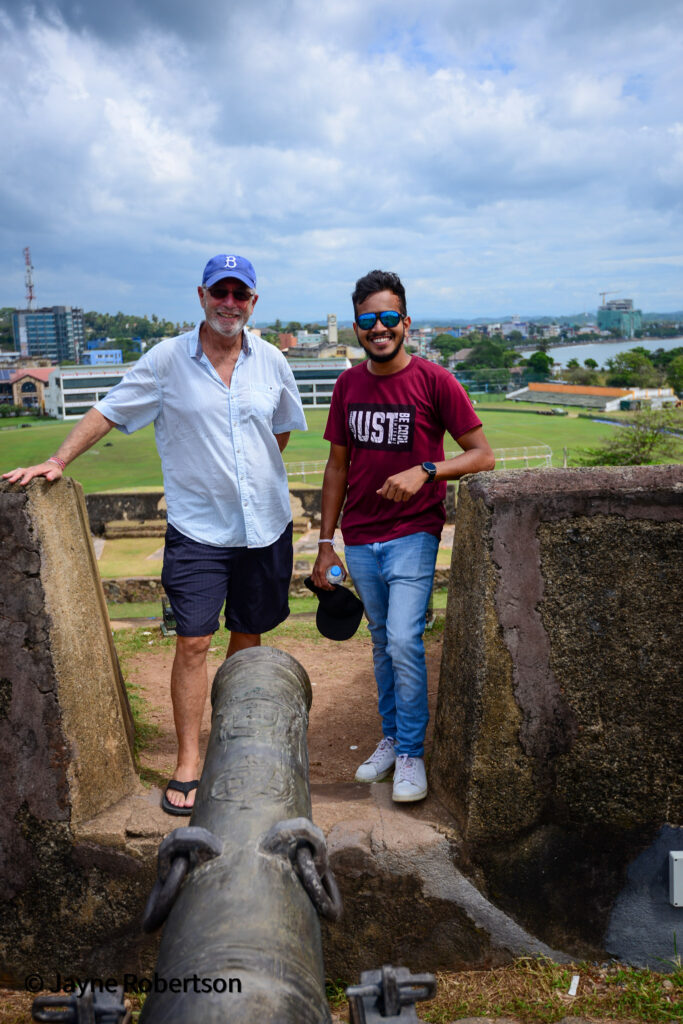
Galle is best known for Galle Fort, a UNESCO World Heritage site of a fortified old city founded by Portuguese colonists in the 16th century. The Dutch expanded the stone sea walls, and the architecture reflects Portuguese, Dutch, and British rule. Since Dasun had grown up just a short distance away, he showed us the sites of the city and we enjoyed a nice pizza at a restaurant within the confines of the fort area.
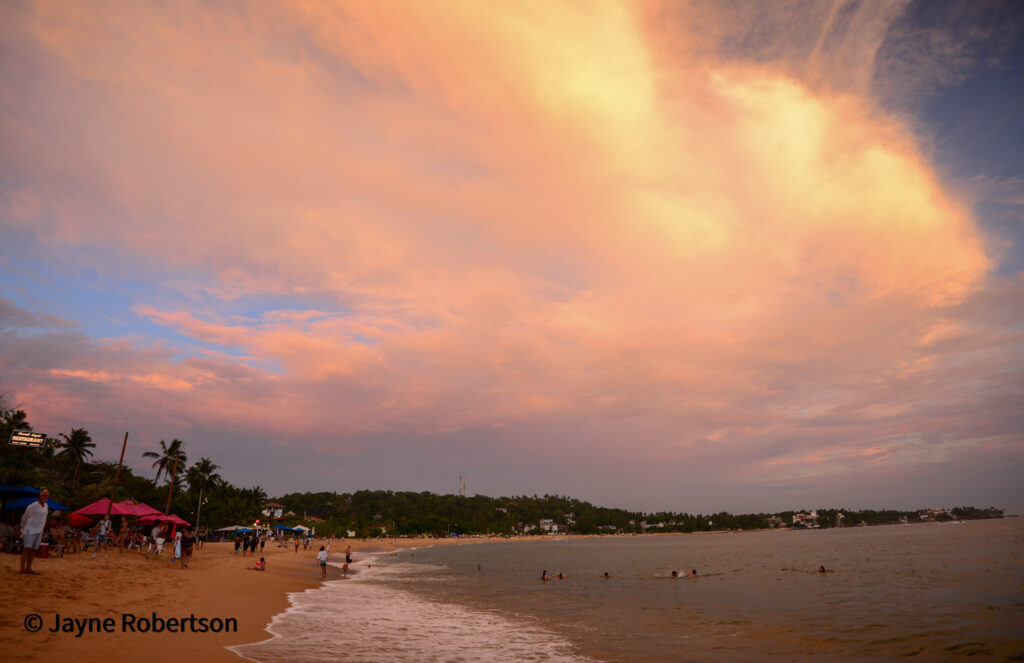
After touring Galle, Dasun dropped us at our hotel in Unawatuna and it contractually ended our time with him, though we knew this would not be the end of our relationship. Unawatuna is one of Sri Lanka’s most popular beaches and our hotel was just steps away from the beach. We weren’t thrilled with the hotel and, as “luck” would have it, in our quest for good coffee, we stopped at a cafe attached to a small boutique hotel, had a latte and I chatted with the owner of the hotel for about a half-hour.
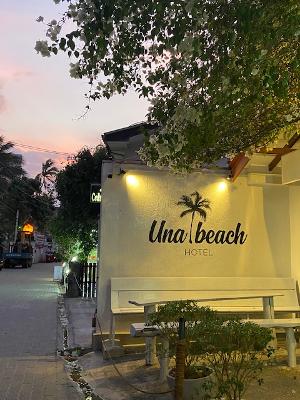
Bilesh, the owner, a Sri Lankan by birth, had spent the past 20 years in British Columbia, and had just moved back to Sri Lanka with his wife, Holly, which they plan to make their permanent home. When I asked whether they were any vacancies for some upcoming dates, he said, we were “lucky”, someone had just canceled their reservation for the time slot we needed. So, we checked out of our other hotel and spent a week here, a great decision in hindsight.
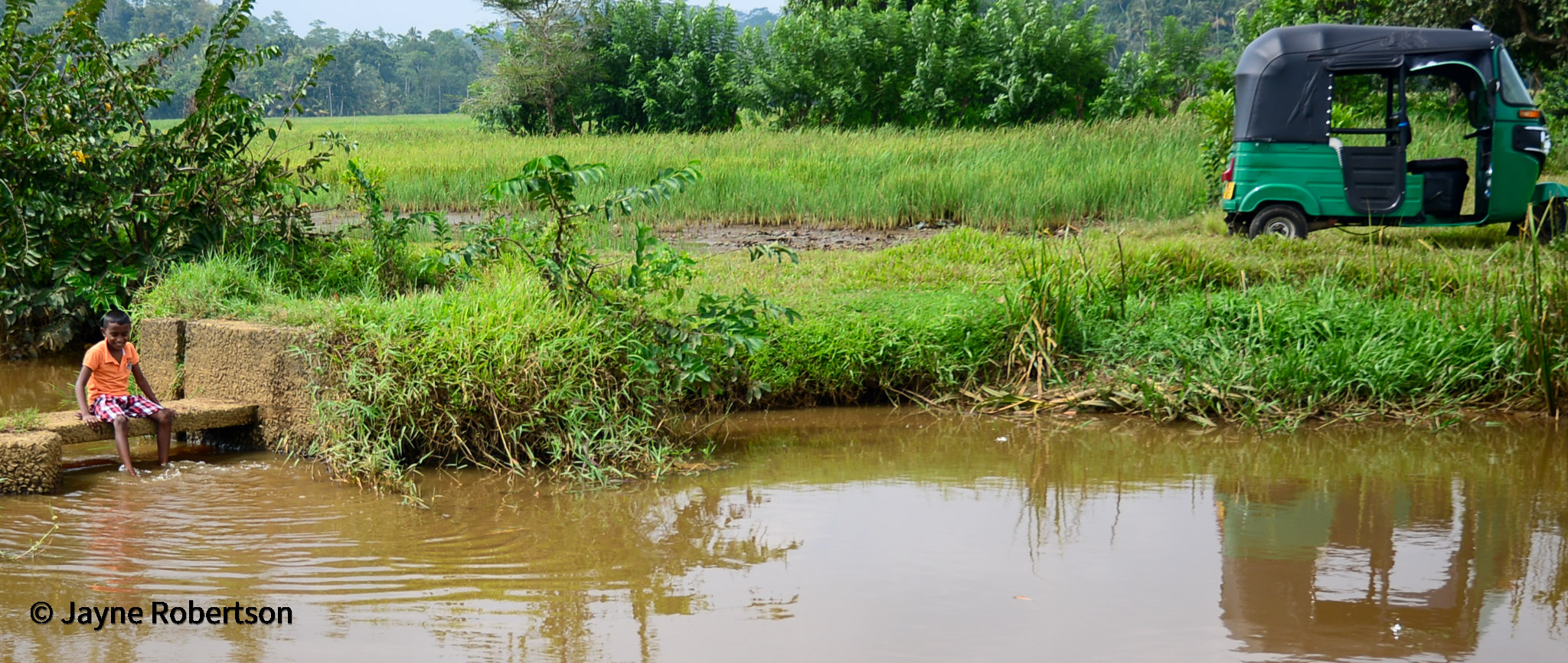
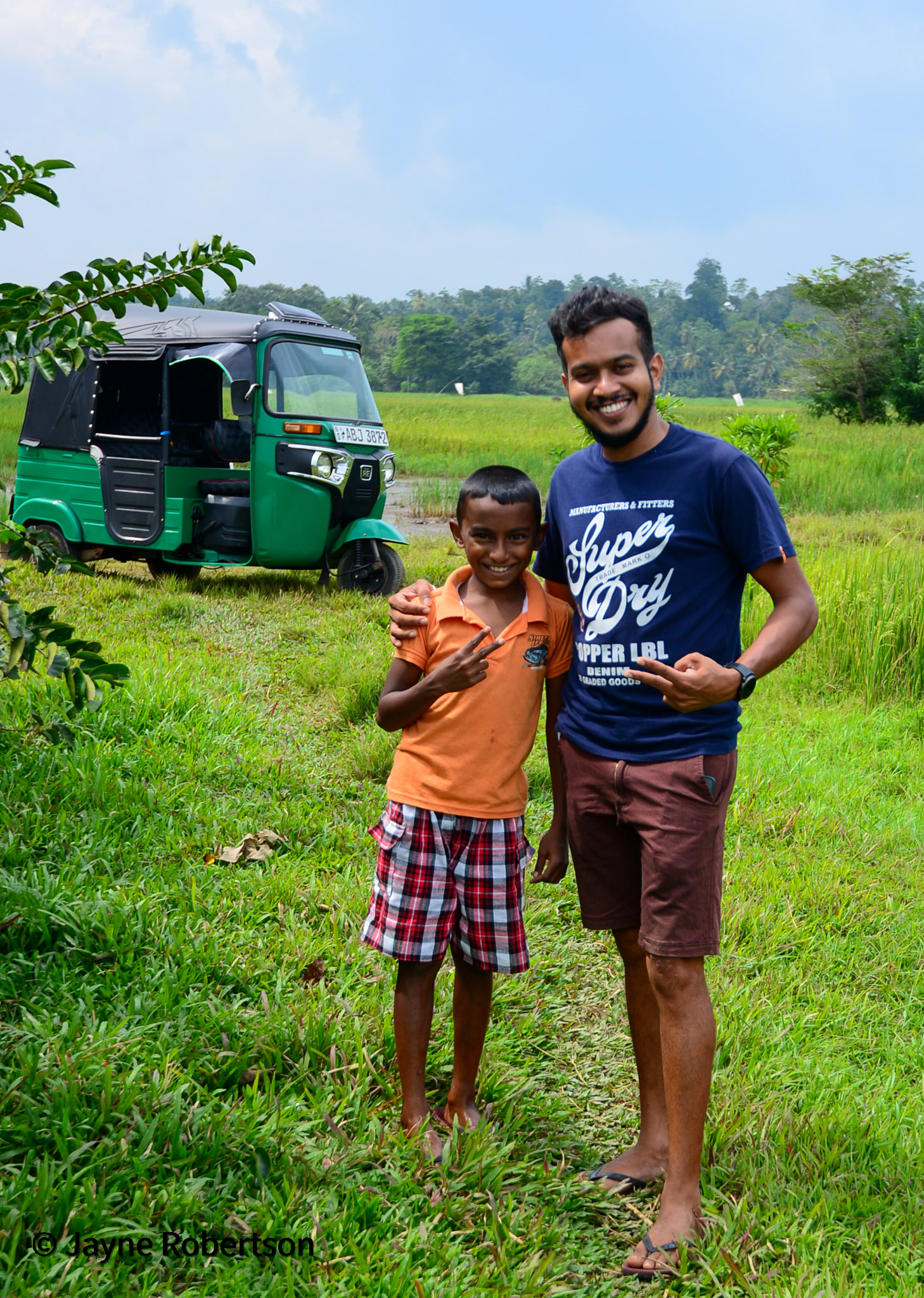
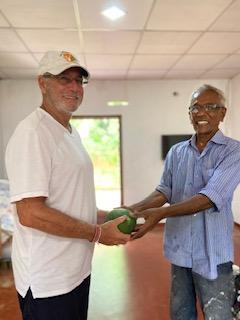
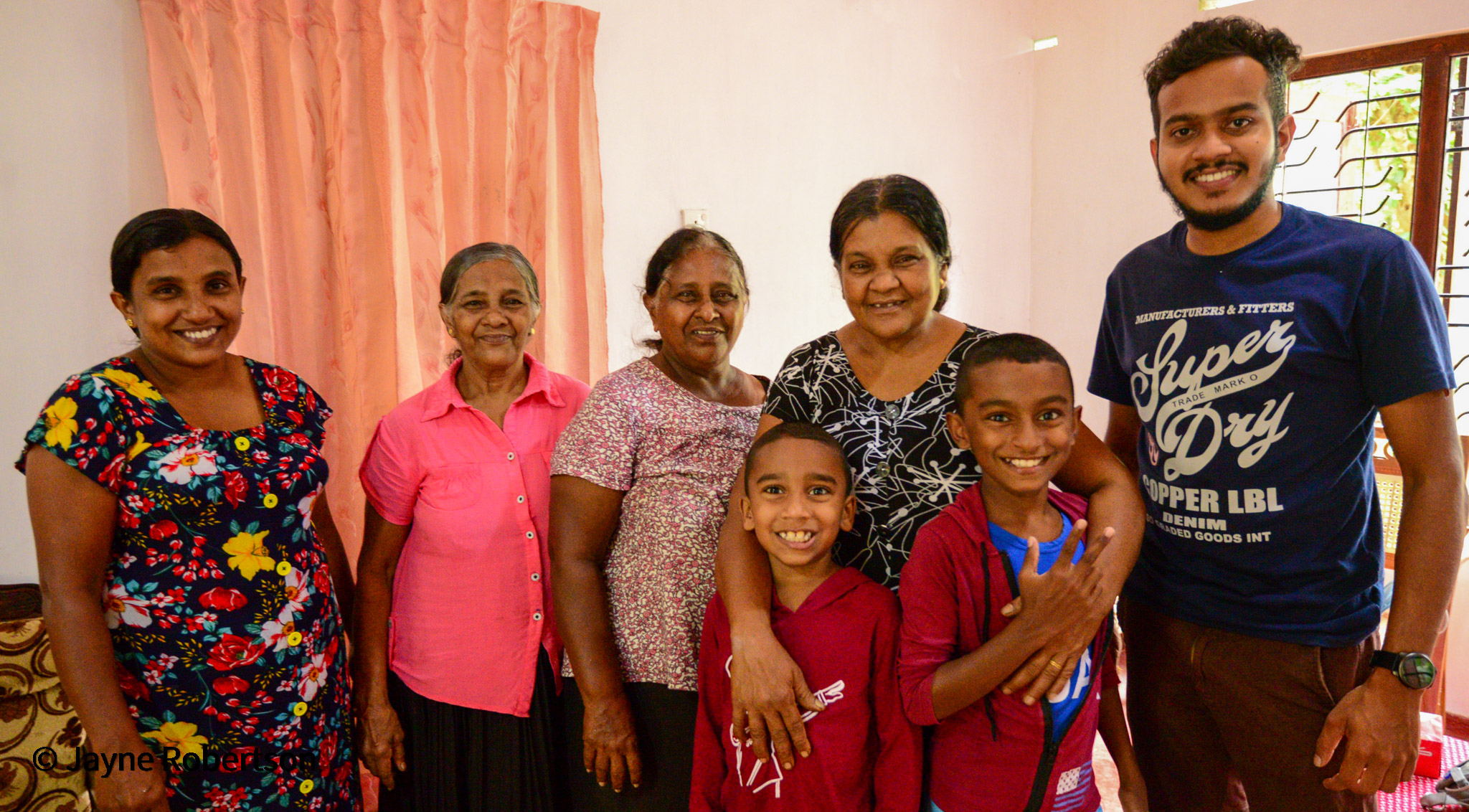
Changing hotels also necessitated us to extend our visa for another 30 days, which we did without any issues. It also meant that we would be able to spend more time with Dasun and his extended family which was an absolute delight. Dasun’s mom was eager to meet us so Dasun borrowed a friend’s tuk-tuk and picked us up at our hotel. We arrived at his family’s modest village home where we met his mom, some of her sisters, and Dilum and Daham, Dasun’s 7 and 10-yeard old boy cousins. A neighbor, affectionately called “Grandpa” also came to greet us with a freshly picked papaya in hand from his home. Dasun took us on a tour of his home’s rice paddy field and then we headed over to Grandpa’s home who gave us a tour of his property replete with all kinds of crops including mango, cinnamon, papaya, banana, and pineapple. He and his wife (both teachers) invited us in for some tea and, because of his being a kind of liaison between the government and local farmers, we learned more about the government’s desire to make farming more organic and sustainable in SL.
He explained that the government’s decision to eliminate fertilizer from farming practices was noble but poorly implemented. Time after time during our travels, people would talk about how this policy was destroying farmers’ livelihoods because the yield of the crops was significantly smaller than before when fertilizer was being used. He explained that in the short term this was an issue and that the government should have instituted this policy over time so farmers could adjust. Throughout our stay in SL, we heard many complaints about the government whether it be about the rampant corruption or this fertilizer policy.
When we returned to Dasun’s home, his mom, along with three of her sisters, had prepared a special meal for us. We had an assortment of curries served with rice, the most traditional Sri Lankan meal often eaten every day. They also made wattalappam, a popular Sri Lankan dessert, creamy coconut custard sweetened with traditional palm sugar and spices of cardamom and nutmeg. Dasun knew we had not tasted this as yet so, of course, he made sure it was on the menu!
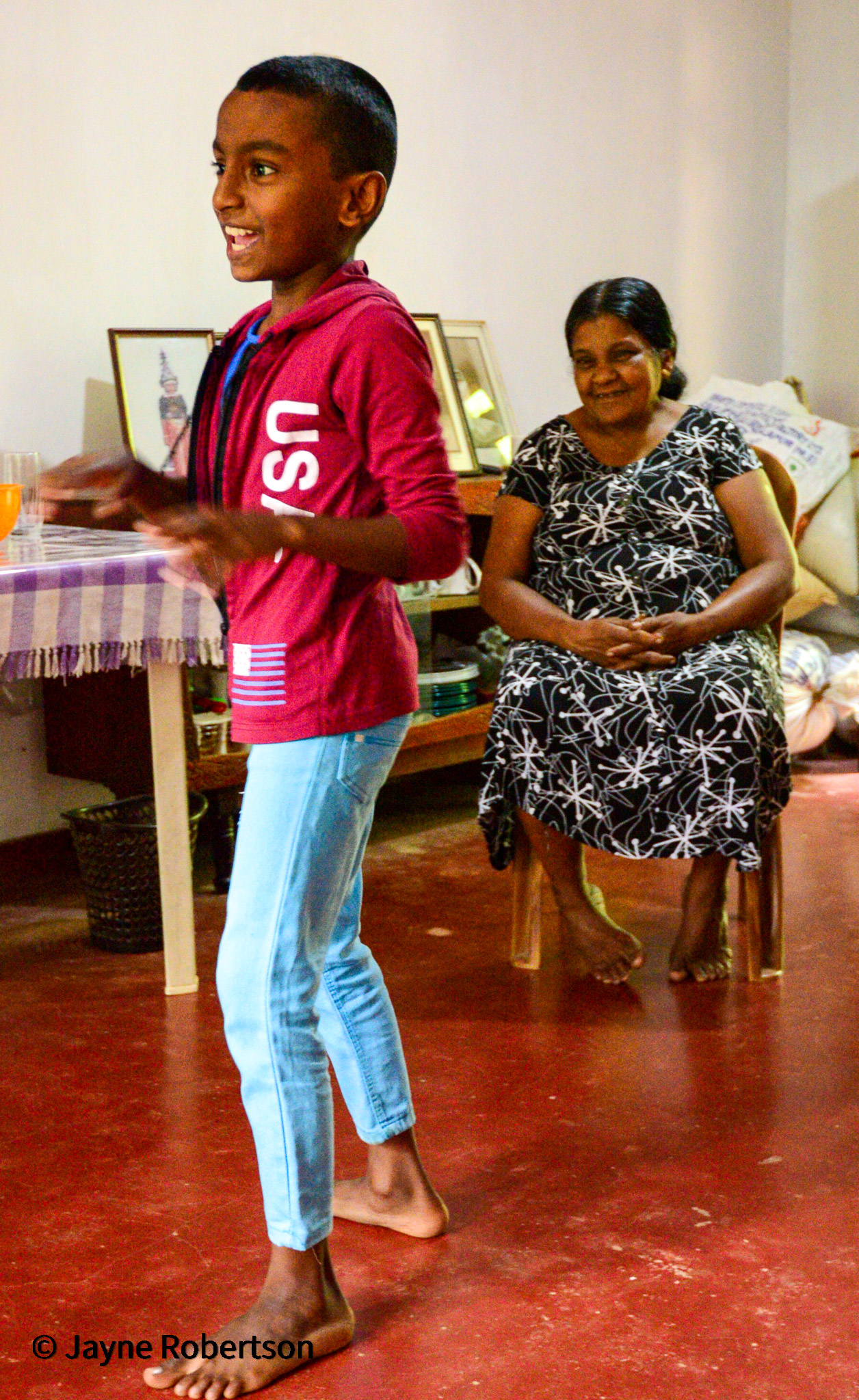
After lunch, the mood lightened up considerably, and music was the ice-breaker. We decided that Manake Mage Hithe would be a good song to begin with and when Jayne and I started to sing it, smiles on everyone’s faces lit up the room. Dilum, the 10-year-old, sang the rap portion of the song with ease, and then he showed us his dancing skills. Before long, he was attempting cartwheels, which needed some work. Little did he know that Jayne had some experience in that domain, so he was all eyes and ears to see how he could improve his technique. (Dasun told us that after that evening Dilum was practicing his technique daily!) Dancing ensued and we had a full-on party happening!
When the party wound down, Dasun and I, with Daham (the 7-year-old) in tow made our way via tuk-tuk to the village barber where we received great haircuts for $2.50 for the two of us including a tip! Daham helped the barber out by sweeping the floor. So adorable, this kid!
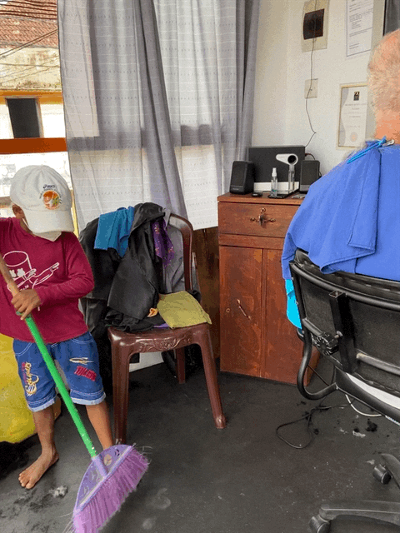
We stayed a few hours and when it was about time for us to leave, Dilum innocently asked Dasun if it was possible that we spend the night. He and his brother were just so cute that we hoped we would see them again before we left. The evening was so incredibly special for everyone, one we will never forget. We returned to our hotel thinking what a special day it was and hoped that we could do it again before we left.
We had stayed in touch with Dasun as we spent our days relaxing on the beach and he invited us back to his home for dinner a week later. When we arrived, the power had been cut in the village and wouldn’t return for another hour or so. Power cuts in Sri Lanka are commonplace, and we experienced our fair share of them in our travels through the country. The timing of this one though was somewhat awkward. Dasun’s mom, two uncles, her three sisters, one of his cousins, and her two boys, and the two of us were all sitting on chairs with some candlelight waiting for the lights to return. When the lights finally came back on, the women went back to the kitchen to finish cooking and, once again, as Dasun requested, they made us a special dish—dosas! Dosas (thin crepe-like pancakes), an Indian dish not very common in Sri Lanka was something we enjoyed eating when we were in Kandy, and Dasun’s Mom recruited a cousin to come over and make them for us. One of the uncles got out his wood flute and played some traditional songs then asked us to sing something “traditional” so we chose the distinctly American anthem…”Take me out to the ball game…”!
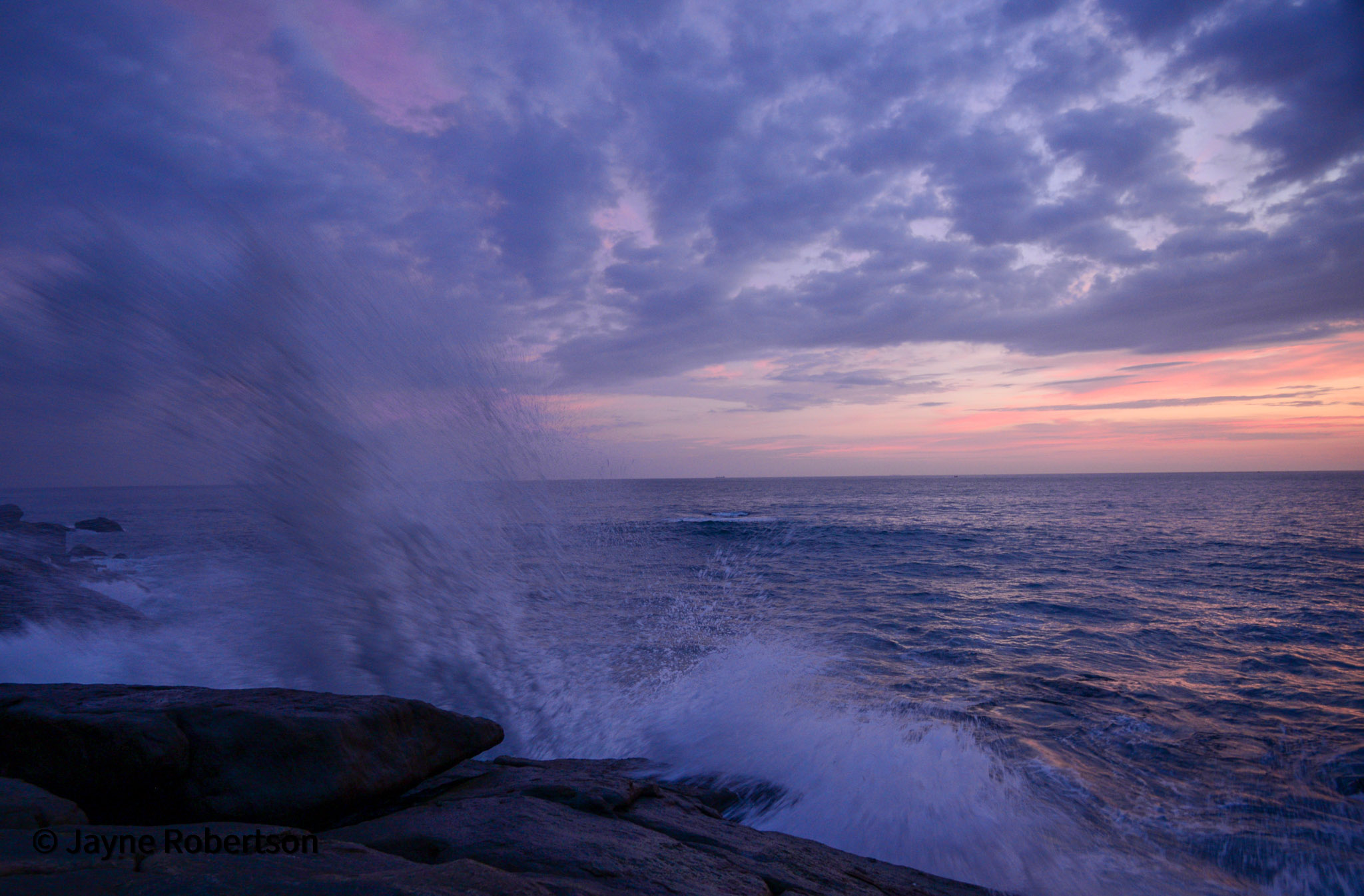
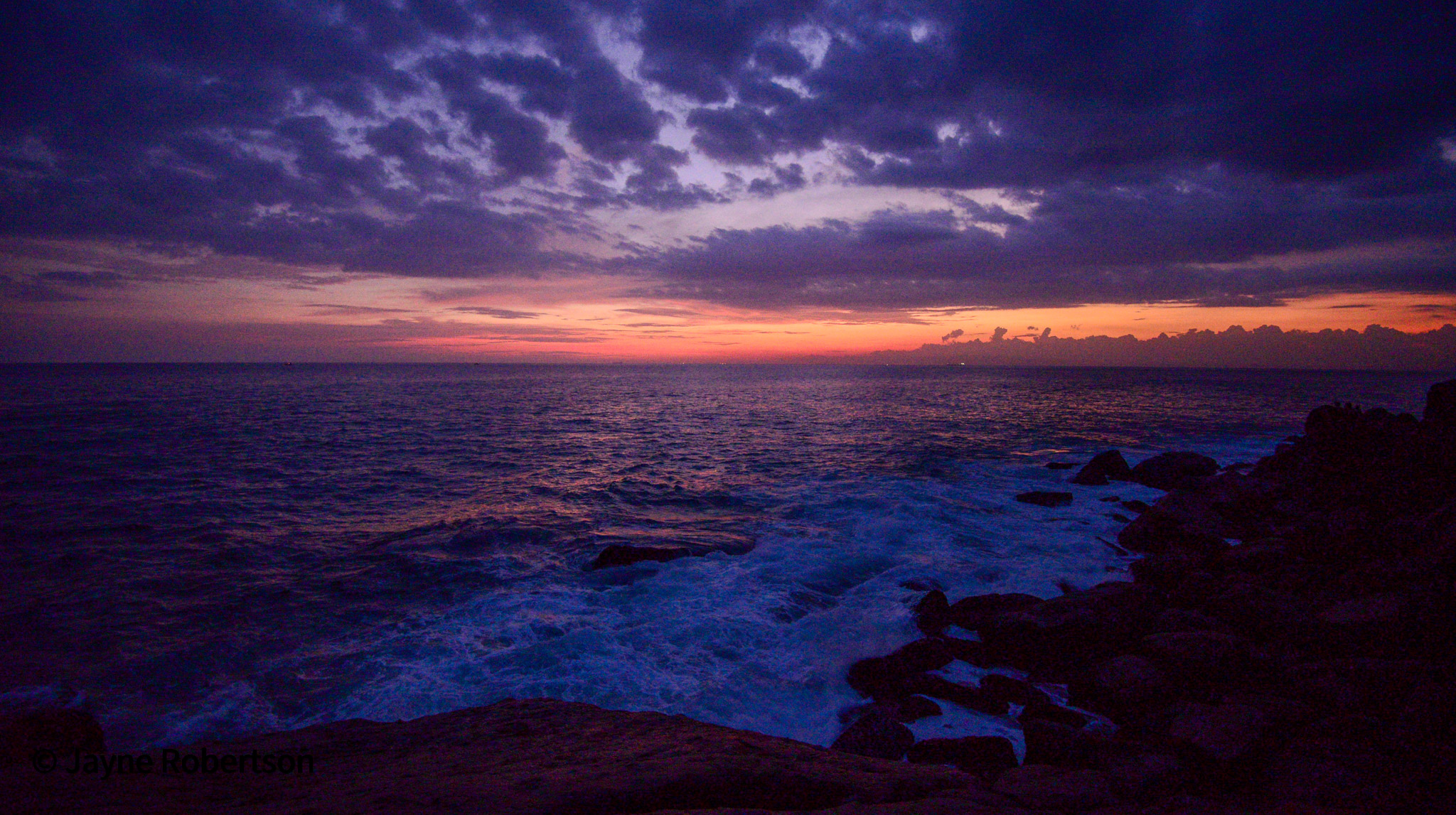
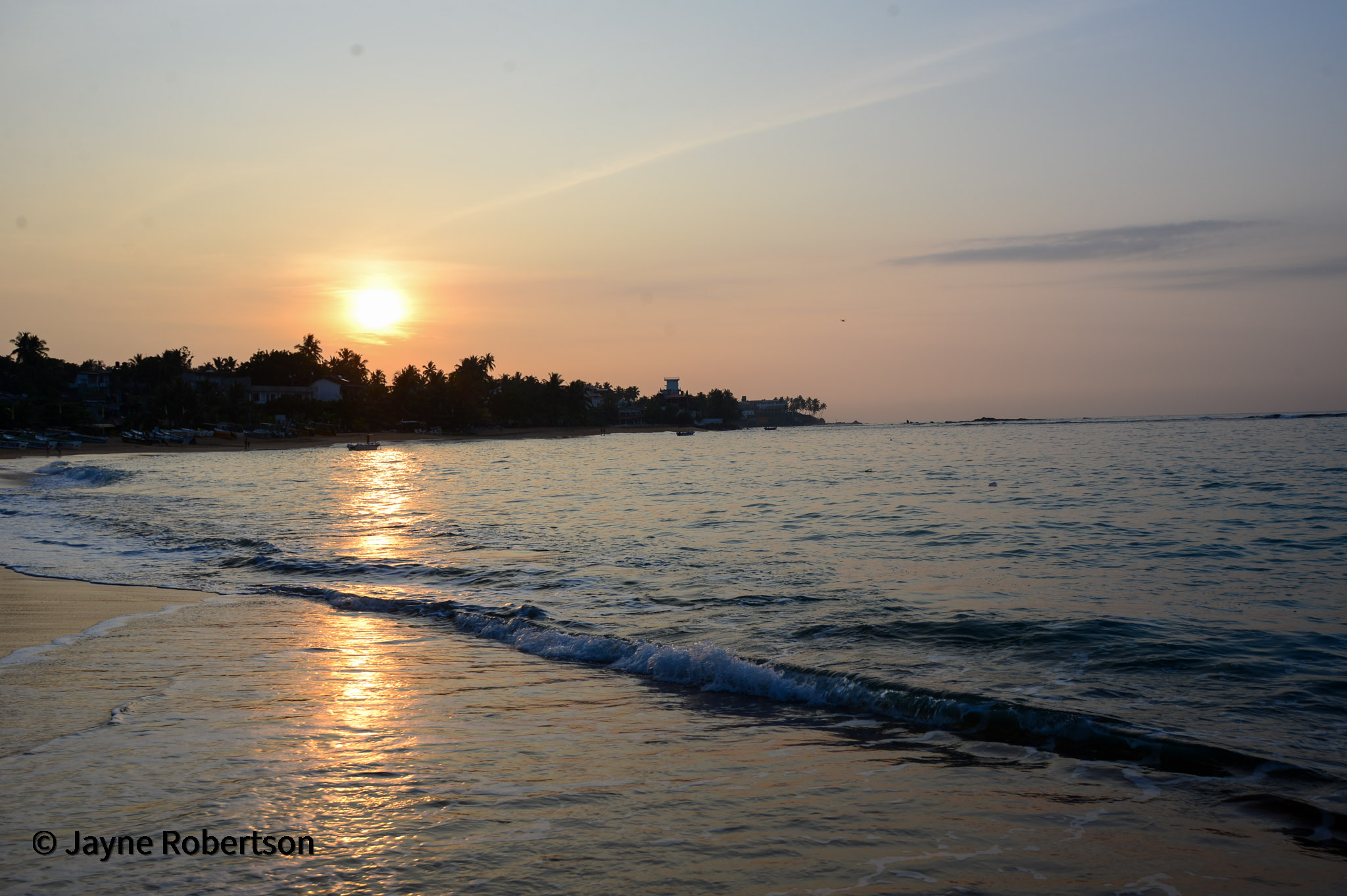
After two weeks in Unawatuna, it was time to hit our last beach town of Hikkaduwa. This beach is considered one of the best in SL for surfing, so many surfer dudes and dudettes were present, but the beach is so long that with a bit of a stroll, passing sea turtles along the way in the shallow water, you could find an area to swim without the waves. We spent many of our days on this part of the beach and even got to play some pétanque with some people from Finland.
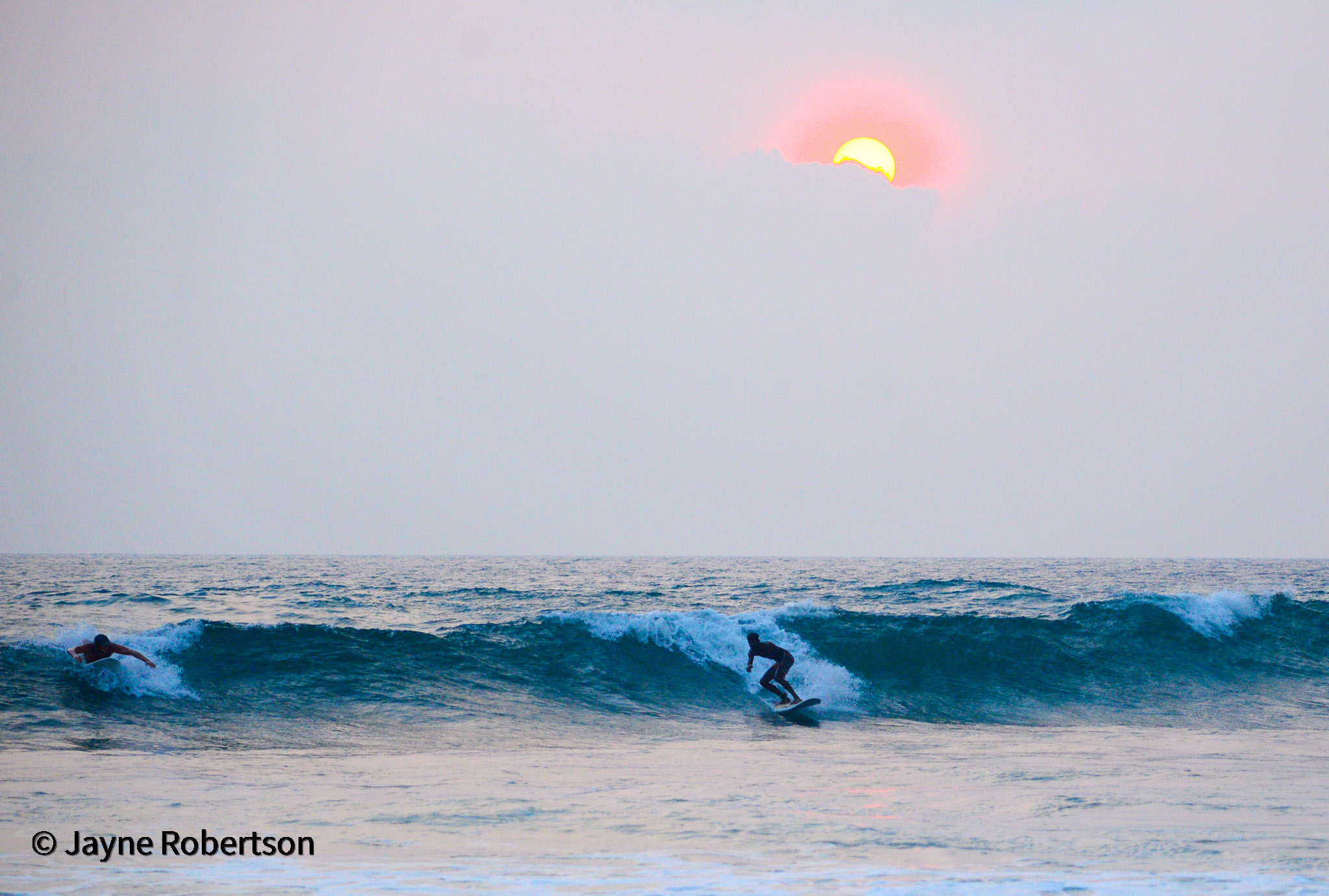
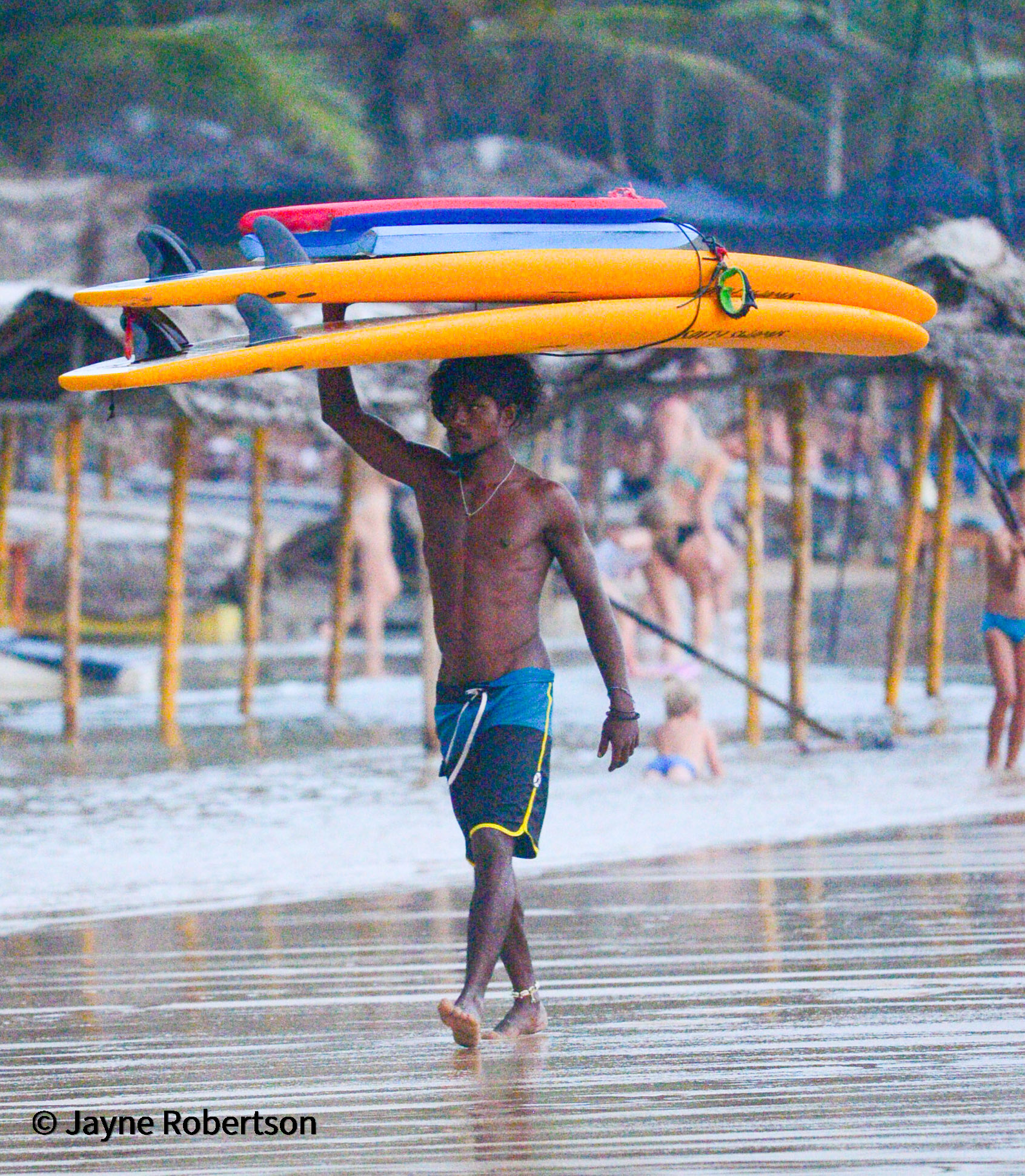
Our beach holiday was not quite finished, as we headed back to Unawatuna for our final eight days. Like other places we’ve visited, upon our return, there were familiar faces that greeted us, and we almost began to feel like locals. We also knew that these final days would mean saying goodbye to Dasun, so we asked whether we might have a beach day with him and the boys. He replied back in the affirmative and we set a date for them to enjoy a day with Auntie Jayne and Uncle Eddie.
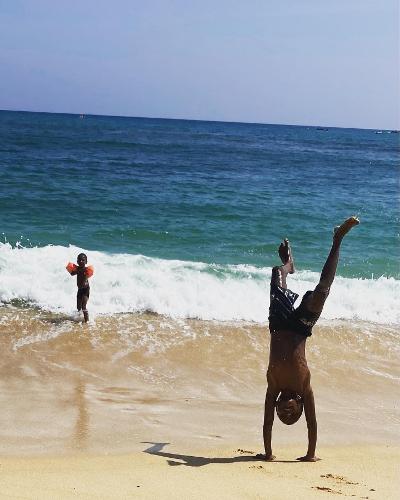
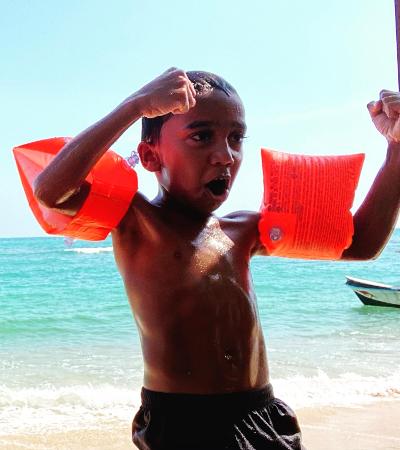
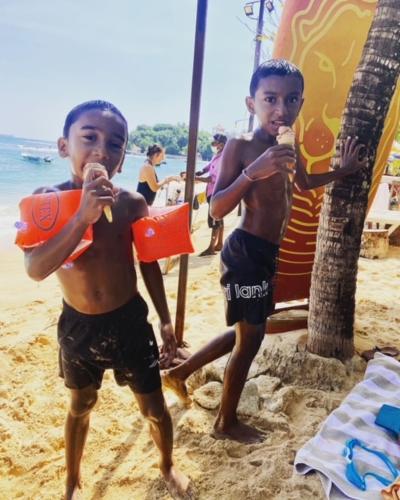
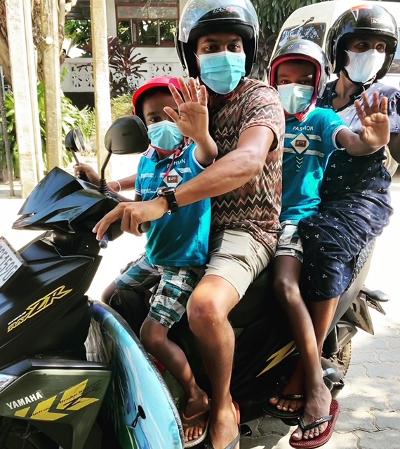
We weren’t sure of their swimming capabilities (many, if not most, Sri Lankans do not swim) so we bought some floaties, and our hotel had a boogie board that we borrowed so we were all set. Dasun, Dilum, Daham, and their mom, Dayana, arrived on Dasun’s motorbike (yes, 4 people on the bike; not as uncommon as you might think) and off we went to the beach just across the street from our hotel. At first, the boys were a bit apprehensive about the waves, so Jayne and I were paying close attention, but it didn’t take long before they were fearless. Jayne wound up spending three hours in the water with them, while Dasun and the boy’s mom, Dayana, looked on. The only break came when Daham, who spoke little Engish, upon hearing the music of the ice cream bike shouted “ICE CREAM” and so an ice cream timeout was in order. The boys had never spent more than an hour on the beach before, and when it was time to say goodbye they were a bit sad their beach day was drawing to a close. We were sad as well, not knowing if or when we might ever see them again. Off the four of them went on the motorbike with a new addition – the boogie board. Quite the scene!
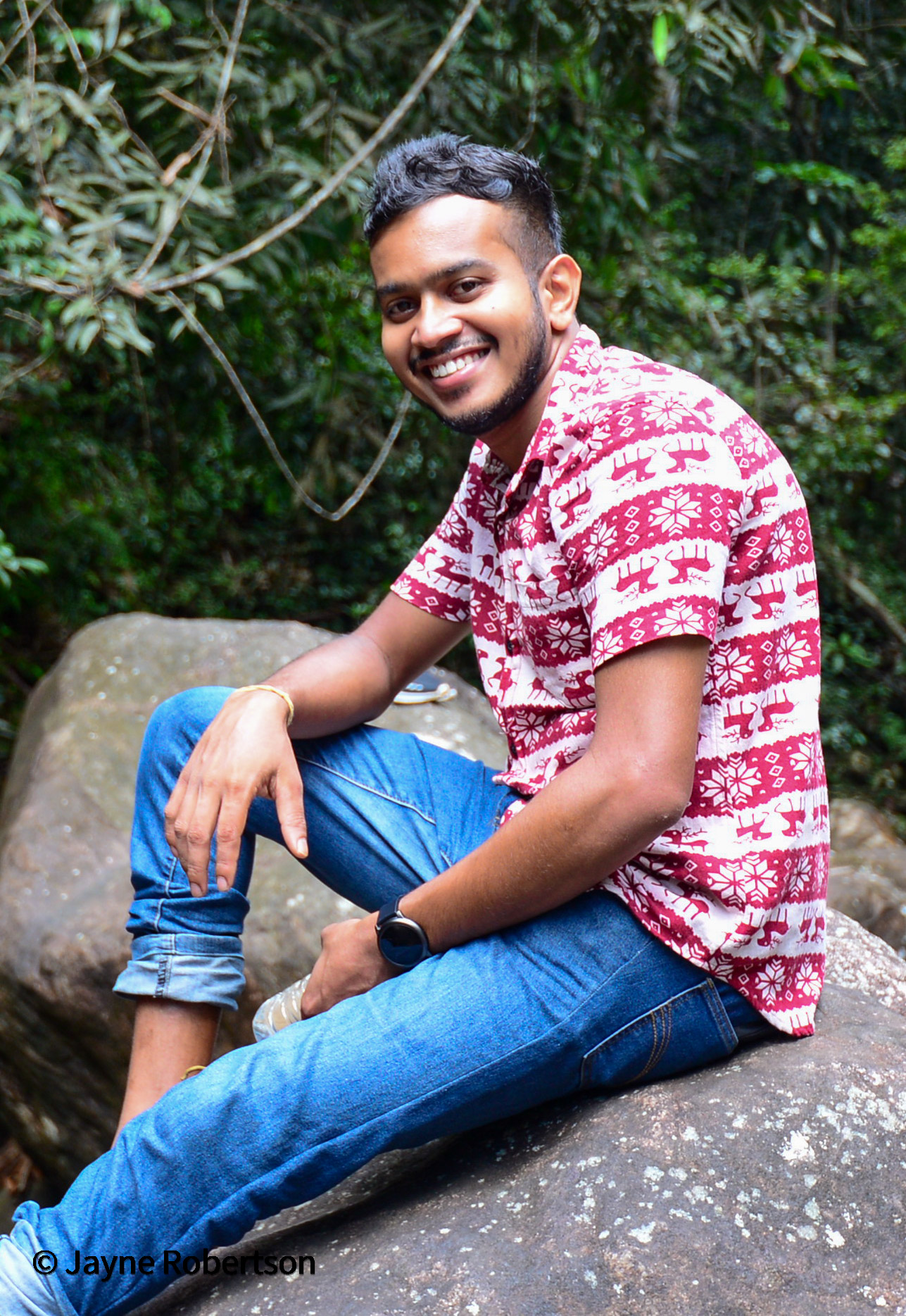
As our days in Sri Lanka drew to a close, we reflected on what a fabulous time we had in this country of beautiful landscapes and friendly people. Obviously, the connection we made with Dasun and his family was especially beautiful, and we wondered whether we might ever see him again. Like many Sri Lankans, Dasun will soon be heading to another country to pursue an opportunity to make more money and might be a springboard for a better life. This “brain drain”, which began in the 1960s, has increased in recent years and we heard of many Sri Lankans who have made their way to countries like Australia, the US, and Canada to make a new life for themselves and their families.
During our time with Dasun, we often visited Buddhist temples, not only because we were interested in seeing them but also because Dasun was a Buddhist himself. On a few special occasions, Jayne’s birthday and New Year’s Eve, we went to temples and met with a Buddhist monk who bestowed rope bracelets on us as he was reciting a prayer. We would often talk about Buddhist teachings with him, and probably the most prevalent teaching was that of impermanence, the notion that nothing in this life is permanent and that everything changes. It’s with that in mind, that when we think about whether we might see him again, our thoughts come back to the present and not the future, giving gratitude for the experiences we enjoyed with him. We will definitely stay in touch and “watch” him from afar as his young life unfolds.
Off to the Maldives, where we’ve just booked a “live-aboard” cruise for six days followed by a 7-day stay at a resort. Stay tuned!
If you would like to leave a comment, you can now do so in the Comment section below!